
I watch Prince Edward Island tourism and Native Indigenous People of Prince Edward Island close up
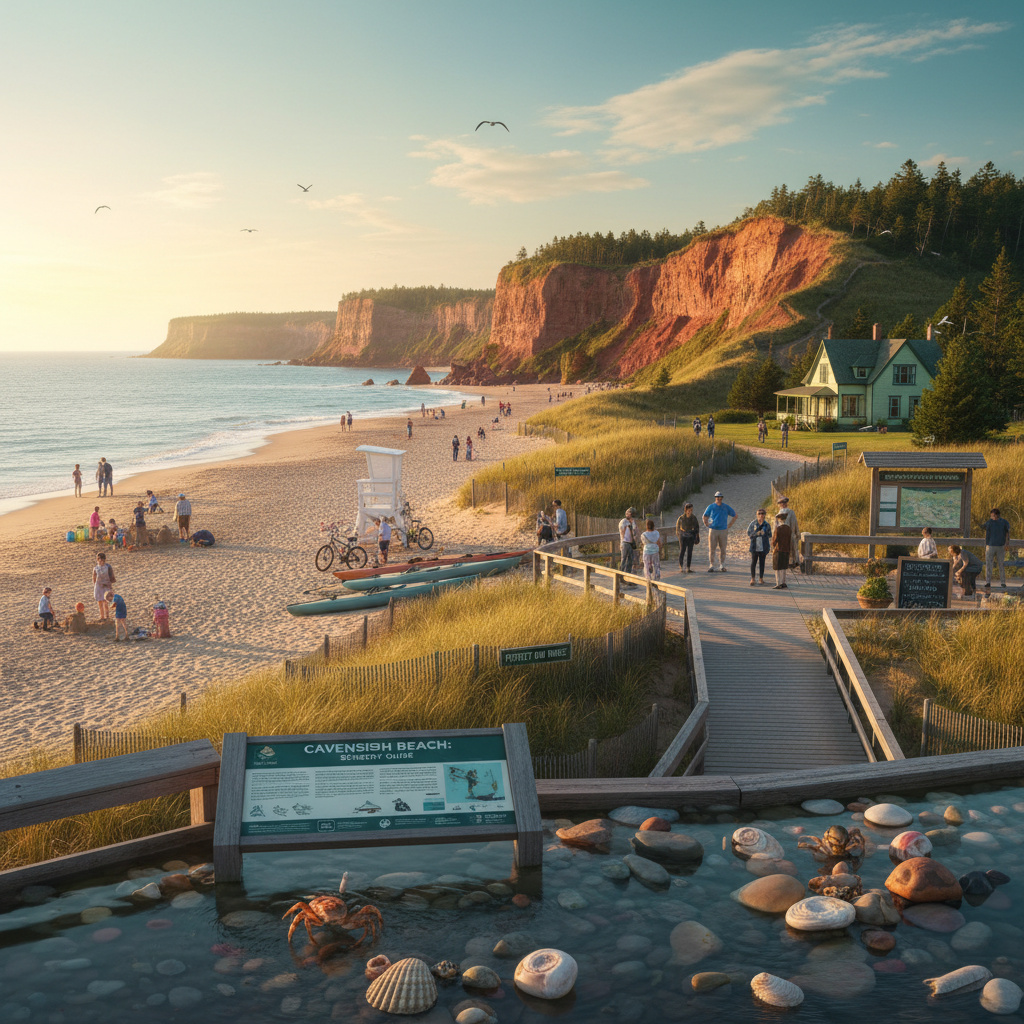
I first saw red sand and books and thought that was all, I was wrong. I crossed the Confederation Bridge and I almost took postcards as whole truth. I sat and listened to elders and they told me parts behind Anne of Green Gables and the busy views at Cavendish beach. I walked Charlottetown and heard small echoes of Charlottetown history, I wanted more and I tried to look with quiet ears and open questions.
Traditional Mi’kmaq life on PEI — What Prince Edward Island tourism visitors should observe
I learned the Mi’kmaq moved with the seasons, I saw spring fish, summer gather, fall hunt, winter tell stories. I hiked on Prince Edward Island National Park trails and I tasted shellfish like PEI oysters, they felt tied to those old rounds. I wondered if walking Brackley Beach would feel same after hearing about tides and canoe paths, I felt it changed how I listen. I went to Basin Head Provincial Park and the place sang different to me, I keep the rhythm in mind rather than a quick list.
Mi’kmaq culture and society in the context of Prince Edward Island tourism
I saw many stories, I saw crafts and rules that shaped life long before others arrived. I noticed many tours point to Anne of Green Gables and the Confederation Bridge and miss the live things — drum, beads, words in the old tongue. I went to a powwow and I felt joy and I learned, that visit added to an afternoon by the Summerside waterfront or a dinner with lobster. I watch Prince Edward Island tourism change slow and I like that because it gives space for Indigenous voices.
Contact with Europeans: A visitor’s primer for Prince Edward Island tourism
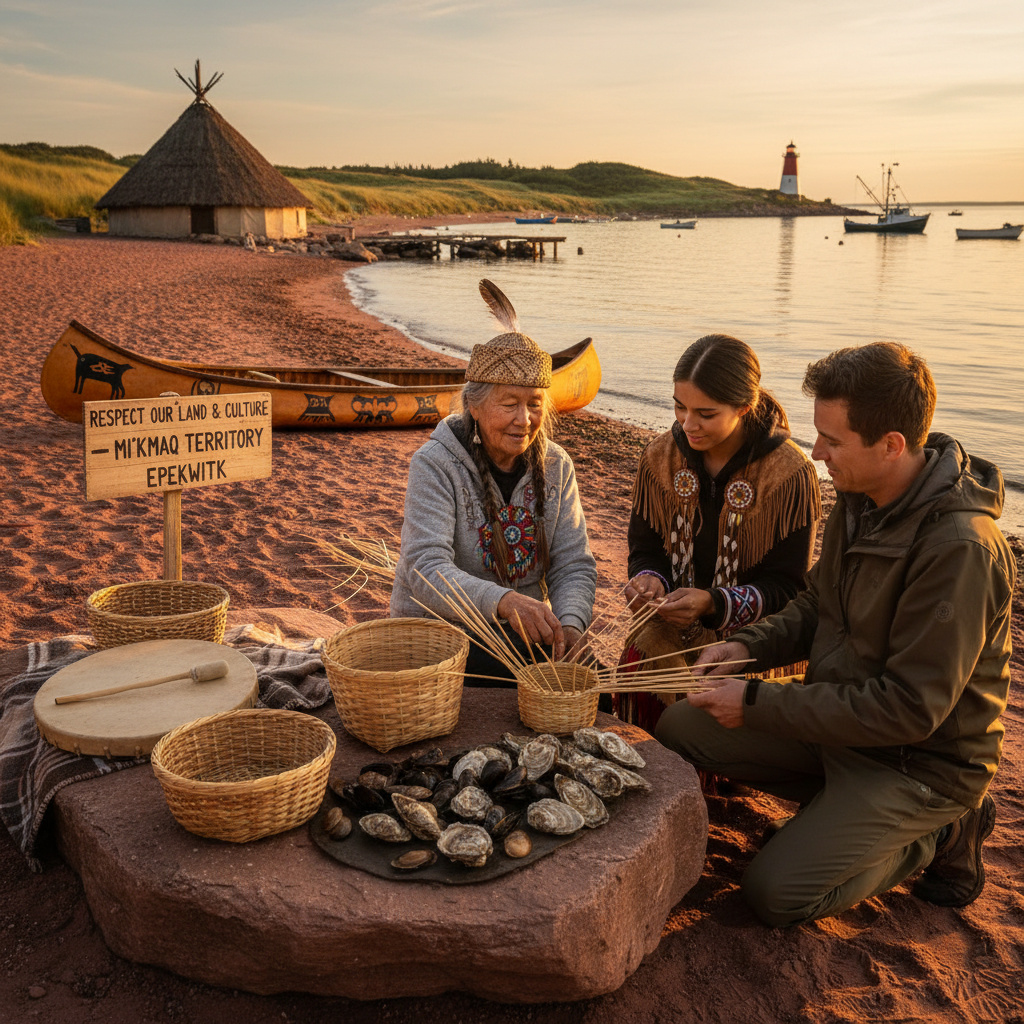
I read that contact with Europeans started long ago and it changed trade, health, and alliances, I thought that was important to know. I walked Charlottetown and saw layers of Charlottetown history about 1864 but I also looked for the earlier Mi’kmaq traces beyond the Anne of Green Gables tours and the Cavendish beach days. I chose a history walk then a stop at local archives and I asked for Indigenous-led places to learn more, it filled gaps in my view. I felt that tourists miss much, and I think that gap is where deep learning begins.
Colonization impact and how it shapes modern Prince Edward Island tourism
I noticed colonization changed land, language, and who uses what, I saw its marks on maps and reserve lines. I drove from the Confederation Bridge toward the Prince Edward Island National Park and I felt those breaks in the land story. I looked at red cliffs on postcards and I tried to listen to the history under them near Brackley Beach and Basin Head Provincial Park. I think better signs and stories would help Prince Edward Island tourism, I felt hopeful when I saw small efforts to explain.
Mi’kmaq communities on PEI today — Practical pointers for thoughtful Prince Edward Island tourism
I found communities like Lennox Island and Abegweit First Nation welcome visitors but they set the terms, I learned to check first. I arrived by the Northumberland ferry and I crossed the Confederation Bridge, I looked for event notices and visitor centres to know proper times and ways. I joined Indigenous-led tours and I shopped at craft markets instead of only a Charlottetown history walk or quick stop at Cavendish beach. I spent money in small spots — a café with PEI oysters or an artist at a powwow — and I felt that helped people fairly.
Cultural revival, rights, and their role in Prince Edward Island tourism
I saw language classes, ceremonies, and youth work trying to heal old losses, I heard talk about hunting, fishing, and treaty rights in public chats. I matched a museum visit with a community event and I felt the stories deepen when I tasted lobster or watched waves at Brackley Beach. I noticed Prince Edward Island tourism slowly name Indigenous rights, I think they still learn how to do that right. I felt hopeful because it makes room for shared telling and better travel sense.
Where to learn more: sites and logistics for travelers focused on Prince Edward Island tourism
I flew into Charlottetown Airport once, I also came by the Confederation Bridge and the Northumberland ferry, and I planned time for both beach rest and culture. I walked in museums that show Mi’kmaq history beside displays of Charlottetown history and Confederation, I checked community calendars for cultural days near Summerside waterfront and Prince Edward Island National Park. I booked moments for respectful meetings and I did not treat Indigenous life like an add-on to Anne of Green Gables photos or Cavendish beach selfies.
Ethical visitor practices to integrate into your Prince Edward Island tourism itinerary
I ask before I photograph people, I buy art straight from makers, and I follow local advice about sensitive sites. I look at seasons and I learn how PEI oysters and lobster are caught, I treat them as food and as part of culture. I went to a powwow as guest and I first learned when and how to join, it is not like a quick stop at Cavendish beach or a show about Anne of Green Gables. I think Prince Edward Island tourism works best when curiosity comes with respect.
Suggested itineraries that include Mi’kmaq heritage in your Prince Edward Island tourism plan
I would do two to four days mixing Charlottetown museums and Charlottetown history walks with a day at Lennox Island, a hike in Prince Edward Island National Park, and a meal with PEI oysters. I swapped an afternoon at Cavendish beach once for a storytelling session led by community, and it changed my whole trip tone. I like trips that go beyond postcard stuff and I try to make mine feel more real by adding lived moments.
Final reflections: why Mi’kmaq presence matters to Prince Edward Island tourism
I think the Mi’kmaq are not a small add-on to the island, I see them as part of the land, seasons, and stories. I mixed the usual stops — Anne of Green Gables, Confederation Bridge, Cavendish beach — with Indigenous learning and I kept better memories and fairer support for people. I believe Prince Edward Island tourism can turn a corner by putting Indigenous voices first, I am hopeful though it will take time and steady care.