
I stand inside the park and I feel it is the heart of how people come to this place.
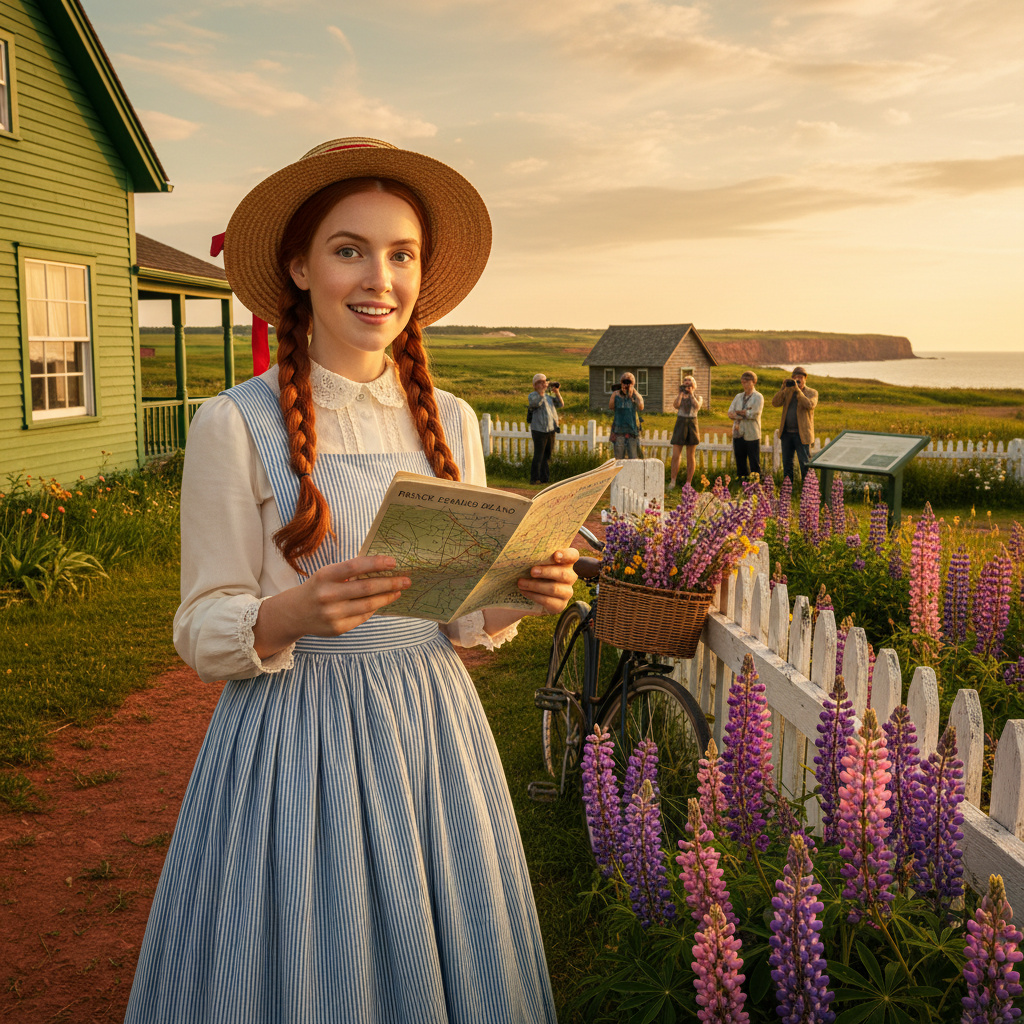
I saw the park first and I felt small, long beaches, dunes tossed by wind, gulls calling far off. I like how that small, close feeling seems to help Prince Edward Island tourism today. I follow trails that pass the famous Cavendish Beach and I pass places that made me think of Anne of Green Gables, so I often put the park and Green Gables both on my must-see list. I notice the coast is easy to reach even when lots of people are there, odd but it calms me. I see how Confederation Bridge and ferries make things simple and I think that is why many first timers stay longer than they plan.
I walk on red sand and I read guides and menus that show names I know: PEI oysters, lobster suppers, and small shops that show Charlottetown history. I find that Prince Edward Island tourism mixes food draws with gentle trails, small hikes and bike rides, and I see the park buildings work as a hub. I ask myself if people come mostly for the beaches or for the book tie; I guess both, and I like that because it helps the local money spread out. I think a mix of things keeps the town parts and wild parts both useful.
Cultural Impact of Prince Edward Island tourism on Park Communities
I see the cultural mark of Prince Edward Island tourism in little museums, summer fairs, and old houses kept because of Anne of Green Gables, Charlottetown history, and the fishing past. I watch community events that show off PEI oysters and lobster suppers, and I notice this makes people come back; I think that steadies the busy months a bit, but I also notice services can feel pushed at the top times. I say a small thing: some spots seem made for pictures more than deep time, yet I see guides and craft people tell true stories and that brings it back to real. I often feel the real push comes from those local storytellers.
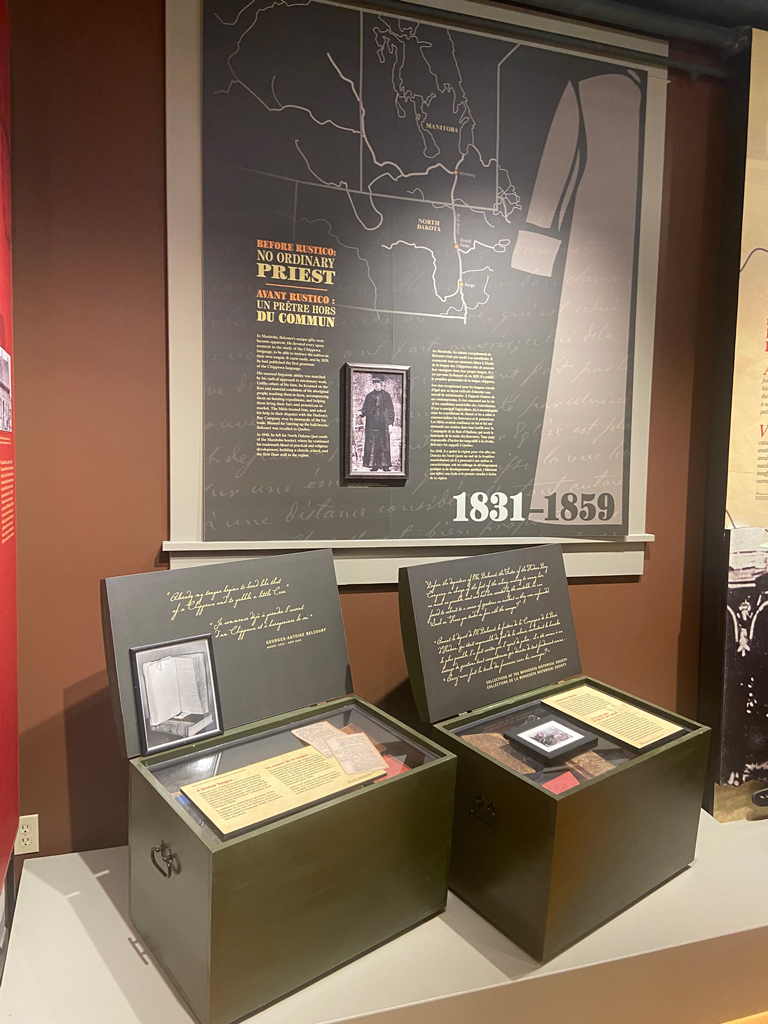
I also see quieter but key Indigenous threads — I feel the land and sea links to Mi'kmaq people. I think Prince Edward Island tourism sometimes skips this deep past, so I look for guides that center Mi'kmaq voices, local artisans, and spoken histories. I like when community talks give more than the usual Green Gables tale and the pretty Brackley Beach cards; that feels truer to me. I often buy from small shops or take an eco tour and those low-key trades give me the best memories.
Tourism Logistics and Practical PEI tourism Advice for Visiting the National Park
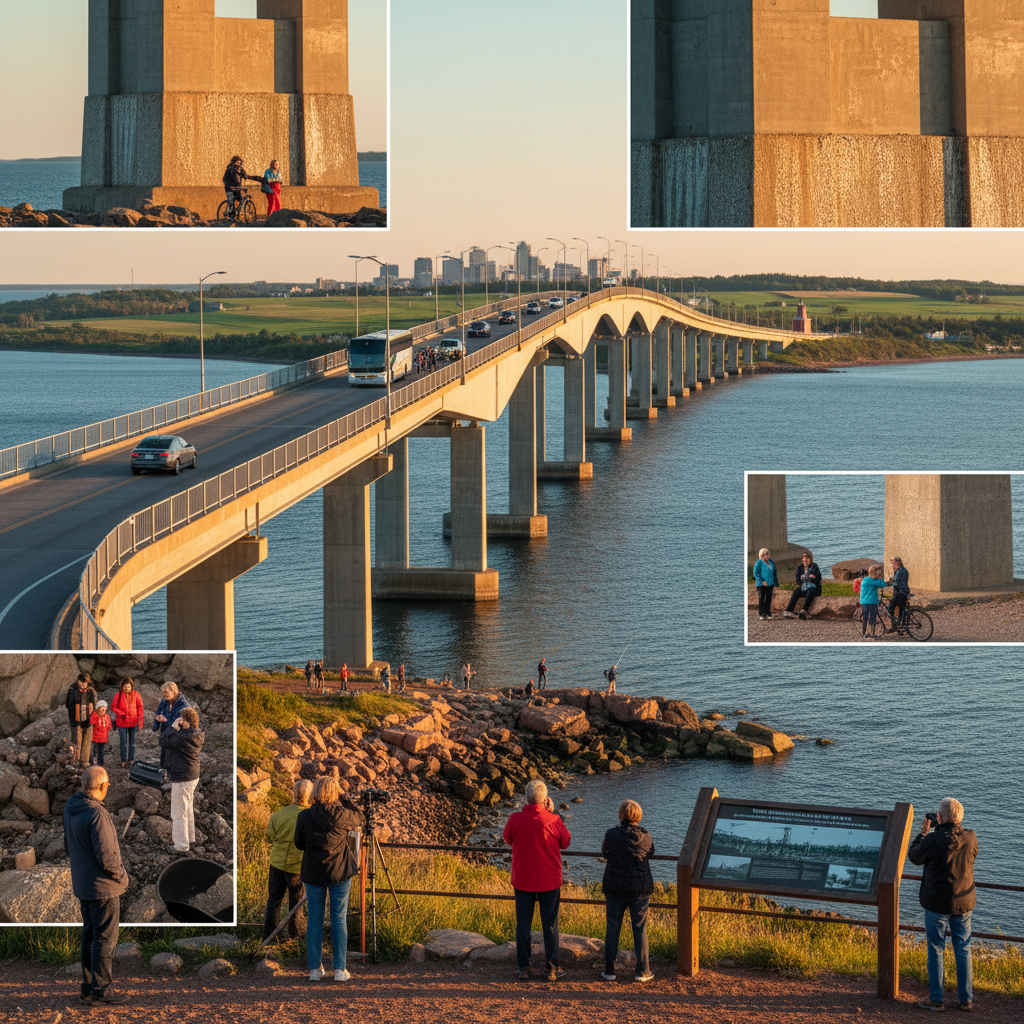
I plan trips by time, transport, and what is there: I cross the Confederation Bridge, fly into Charlottetown airport, or come by ferry; each way makes the trip different. I note that summer is packed — I see rooms go fast near Cavendish Beach and Brackley Beach — and I pack for wind on exposed trails, layers for change. I like early mornings for animals and late light for photos on the red sand beaches, that patience gives me better quiet pictures.
I often rent a car but I also bike and walk the trails, and I find local shuttles and rentals more common now as part of green PEI tourism moves. I look for certified guides if I want a trip that mixes shore life with stops at lighthouses and harbors like North Rustico. I expect simple park sites and more full services in towns; I think that keeps some places wild while towns feed the visitors.
Historical Background and Prince Edward Island tourism: From Charlottetown to the Park
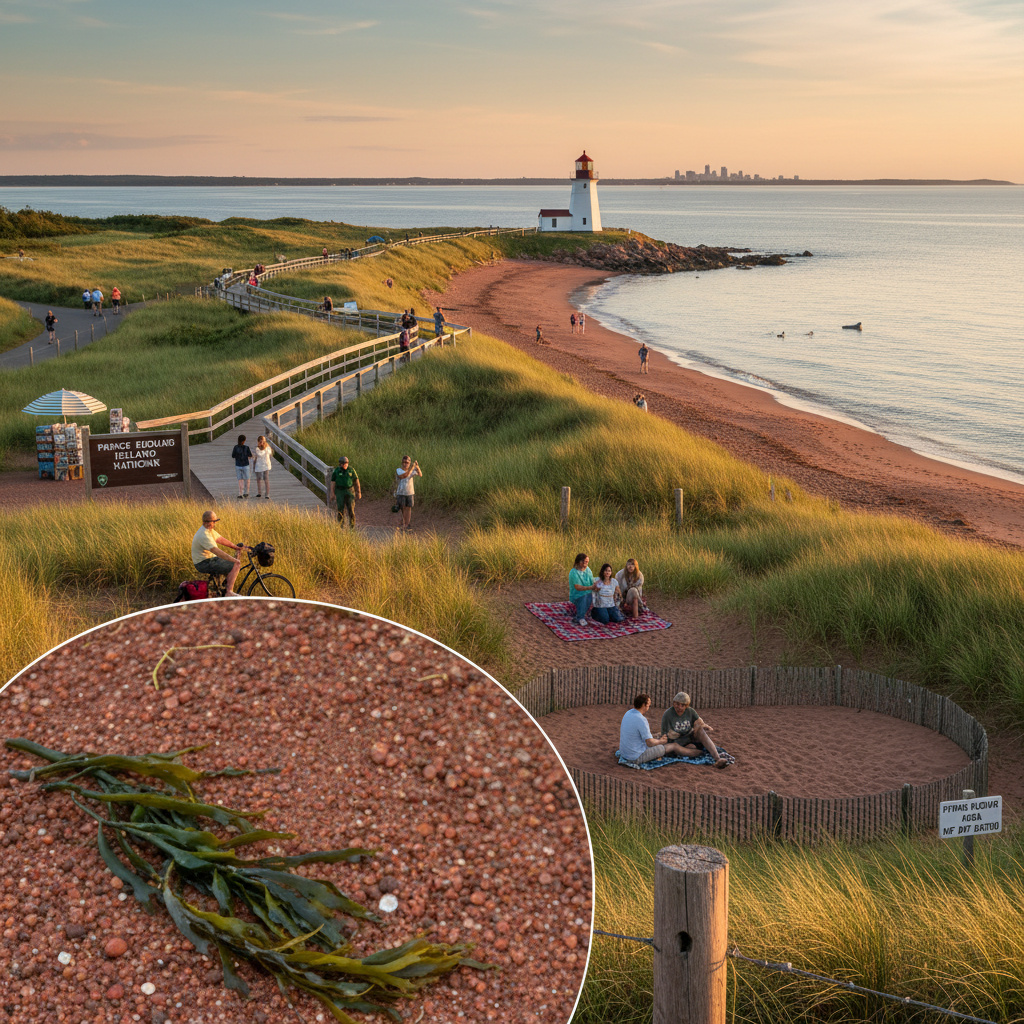
I know history is layered here: the Charlottetown Conference of 1864 sits big in the story and it shapes how I see Charlottetown history and the island's role in the nation; I think Prince Edward Island tourism often uses that event to open the island tale. I feel the park was made to save coasts and old scenes, and I walk and think I step into both nature and book history with ties to Anne of Green Gables, Green Gables sites, and small farms that look like cards. I like how dunes, homes, and beaches hold stories for people, though I worry that simple scenes can hide harder pasts if we do not look close.
I see settler farming, colonial notes, and Mi'kmaq presence all meet in the park's tale. I think when Prince Edward Island tourism works well it shows these layers: signs, walks, and museum pieces try to bridge the bright seaside images and the sad parts like land loss and job changes. I wonder if more joint work with Indigenous groups would deepen the park's story; I feel that would make Prince Edward Island tourism truer and more rich for people who want more than nice views.
Nature, Wildlife, and Conservation in Prince Edward Island tourism at the Park
I find the park's nature — dunes, marshes, and red rock edges — at the heart of talk about Prince Edward Island tourism and care for the land. I see birds that travel here, seals off shore, and places where piping plovers nest; I think beach rules and rangers at spots like Basin Head and Point Prim Lighthouse keep these things safe, though rules may surprise visitors in summer. I like that these protections keep life here healthy while letting people see the place.
I worry about erosion and how to hold dunes safe; I think Prince Edward Island tourism now pushes low-impact fun like bird walks, guided trips, and kayak tours away from nests. I notice local foods — from PEI oysters to small craft — often come with a note about care for nature, and I like that because it ties jobs to healthy coasts. I follow small rules, like limit group sizes and leave-no-trace, and I see how that helps both nature and town work.
Seasonal Experiences and How Prince Edward Island tourism Shapes Visitor Seasons
I feel seasons here change a lot: summer brings warm water at Cavendish Beach and lively fairs in Charlottetown, while shoulder months give quiet paths and better bird watching. I join moon walks, clam digs, and autumn colors and I see how Prince Edward Island tourism moves from beach days to food and slow travel; I taste harvest in lobster suppers and PEI oysters and I feel the season. I tell people to try outside the busiest summer if they want less crowd and more talk with guides.
I go in winter sometimes, and I find skiing and storm watching special; services are cut back but the island mood shifts and I like that. I watch families bring kids for Anne of Green Gables pilgrimages in summer, and I see couples or solo folks find calm in quieter months. I notice this season cycle pushes towns and park staff to change how they plan, and I think that will keep Prince Edward Island tourism moving all year.
Practical Tips, Responsible Choices, and Final Reflections on Prince Edward Island tourism
I plan a short break or long trip and I book places early for busy weeks near Green Gables, and I use marked parking to guard dunes and bird nests. I eat at local spots that serve PEI oysters and I go to town events that show Charlottetown history and sea ways, because I want money to spread past the big beaches. I mix famous things like Confederation Bridge with small harbors and I leave with a fuller feel for the island.
I finish by saying Prince Edward Island tourism in the park is about balance: pretty views and old tales, care for nature and chance for work, quiet times and bright festivals. I try to look past the postcard dunes and I listen for local voices, taste local fish, and take slow roads between places. I choose responsible tours and learn a little history and I feel I help the park and the people who care for it.