
I poke around Prince Edward Island past and its tourism
At first look the island past feels like layered map, and Prince Edward Island tourism often shows that tale for people — sometimes smooth, sometimes blunt. The island story runs through the Confederation Bridge, the red bends of Cavendish Beach, and the book paths near Anne of Green Gables. Every old turn turns into a place you can visit: small museums, signs, and scenic drives. I like this because it nudges curiosity; or I should say, it nudges slow travel. Food plays a big part too: PEI oysters, lobster suppers, and the usual Charlottetown history tours help shape what tourism feels like here.
Prince Edward Island tourism: Indigenous Mi’kmaq era (pre-1500s)
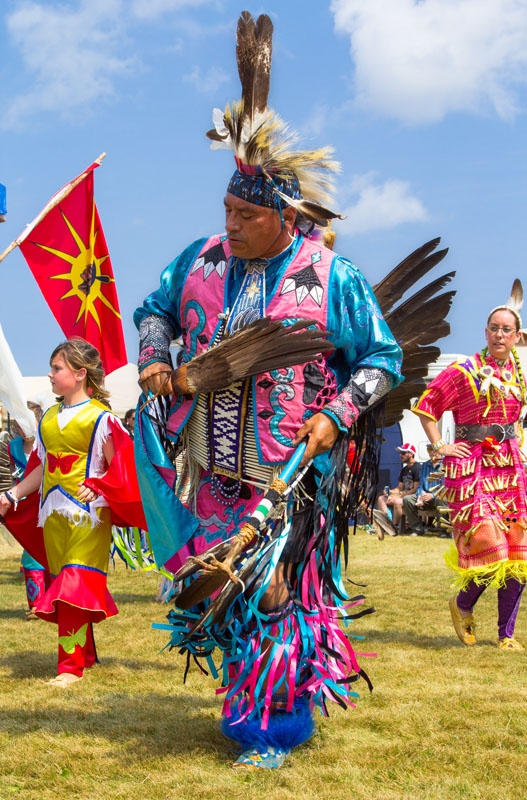
Long before maps from outsiders, the Mi’kmaq lived here, moving with the seasons and knowing the coast — that shaped the land later folks prize, and it shows up in Prince Edward Island tourism stories. Their living culture is on display near lighthouses, by the red sand cliffs, and at local fairs where old food ways pop up like shellfish harvesting—think PEI oysters and beach clambakes. I wondered if tour paths do enough to put Mi’kmaq voices first—some do, some feel only token. Most visitors meet Mi’kmaq presence through guided walks, language signs, and art near spots like Basin Head, which makes modern PEI tourism sit on deeper ground.
Prince Edward Island tourism: French & Acadian settlement (1600s–1758)
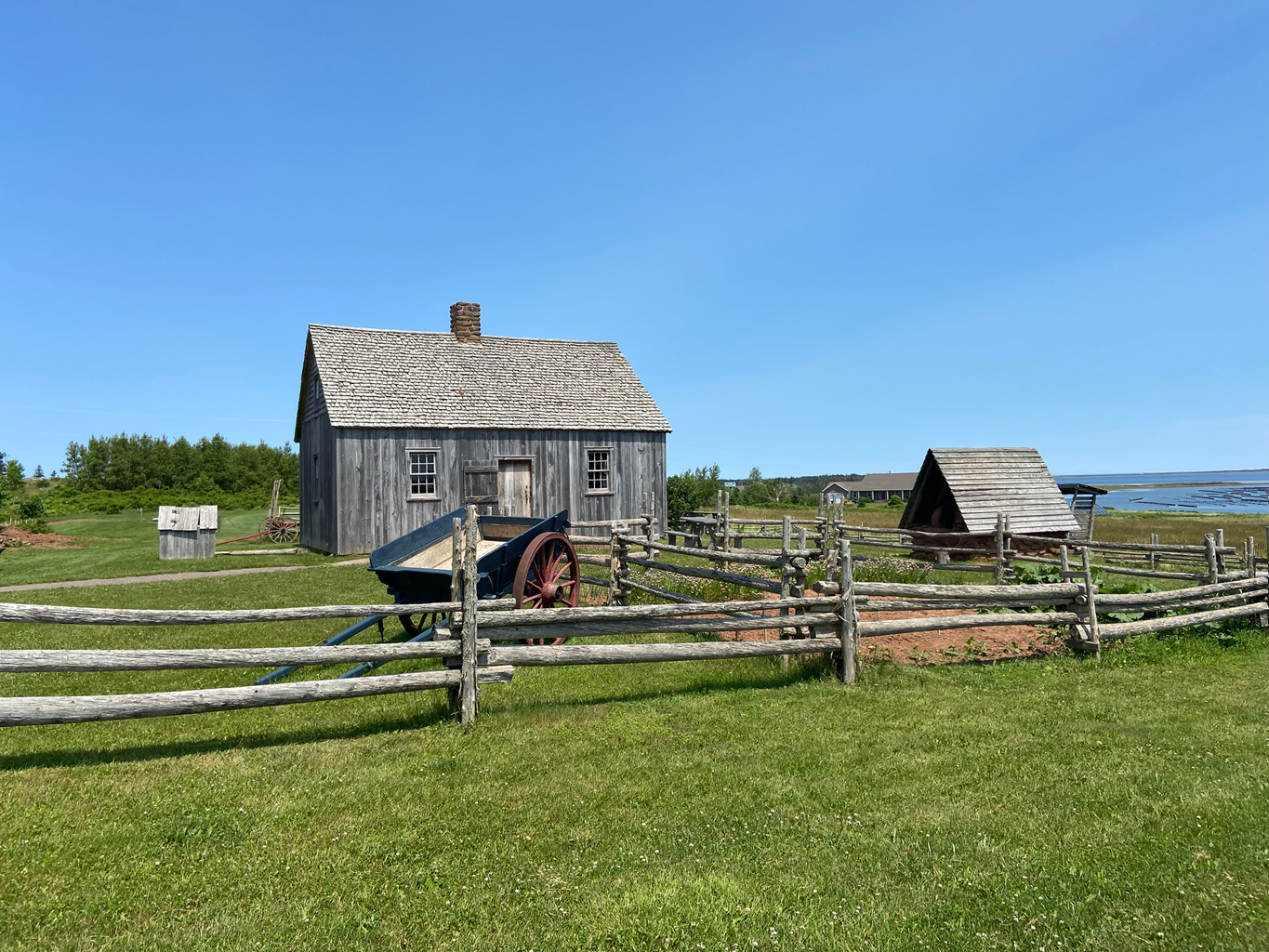
From another view the Acadian tale—its farms, tides, and forced moves—reshaped coasts and keeps shaping Prince Edward Island tourism. Tours point to tiny Acadian towns, their churches, and old kitchens where lobster suppers and PEI oysters get folded into stories of making do. I feel this time is both stirring and sad; it roots food trails and small festivals. The look of old stone bases, dykes on the coast, and names on maps links with spots like Green Gables country and quiet bays; that French echo threads through cultural routes with the Confederation Trail bike paths too.
PEI tourism and the British colony & land system (1763–1800s)
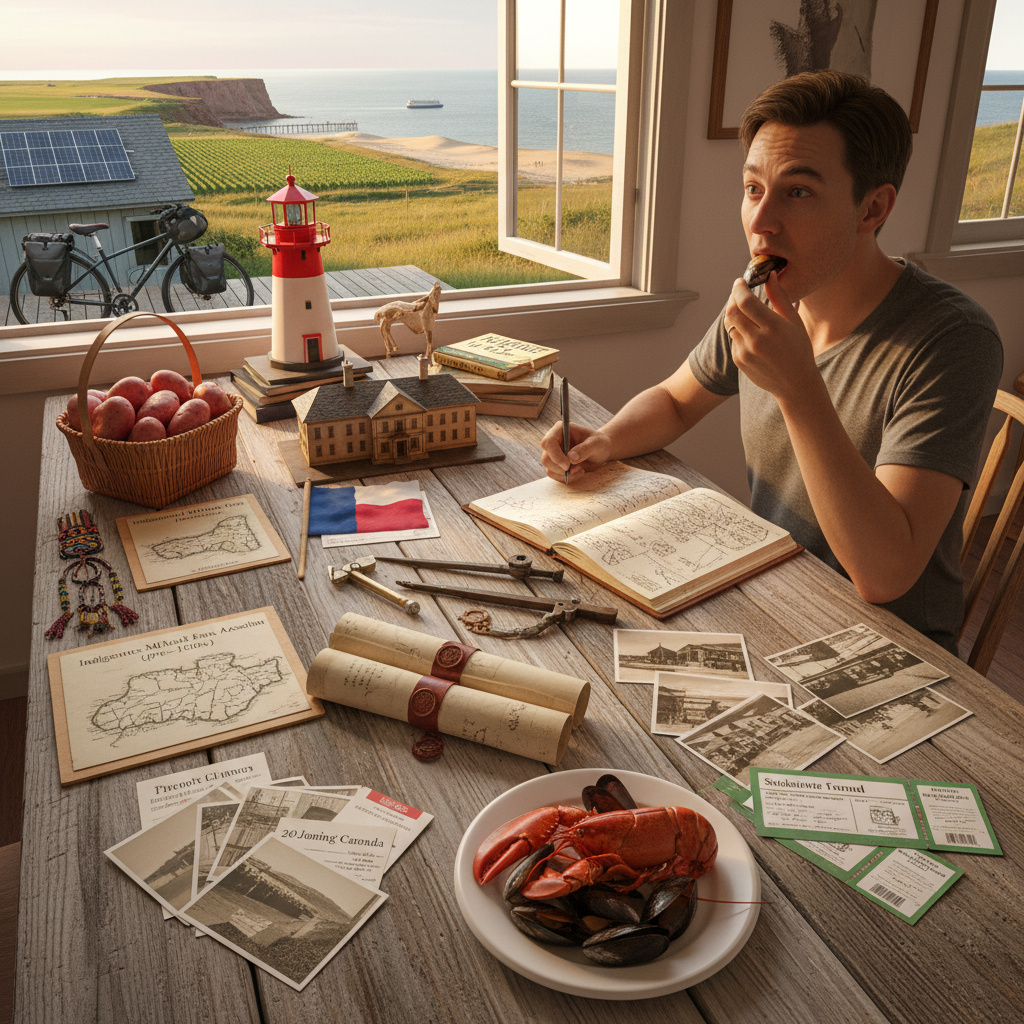
The British era brought a land system, landlords far away, and new settlement lines—these topics pop up in today’s Prince Edward Island tourism talk. Sites that tell tenant stories sit near draws such as the Anne of Green Gables house and ferry routes that join towns; tourists jump between Confederation Bridge lookouts and estate map panels. I felt a strange pull between pretty farms and hard land history—this mix makes visits richer but a bit uneasy. Local guides try to close the gap with stops at Charlottetown history museums and old homesteads, giving real context.
Prince Edward Island tourism and the Birthplace of Confederation (1864)
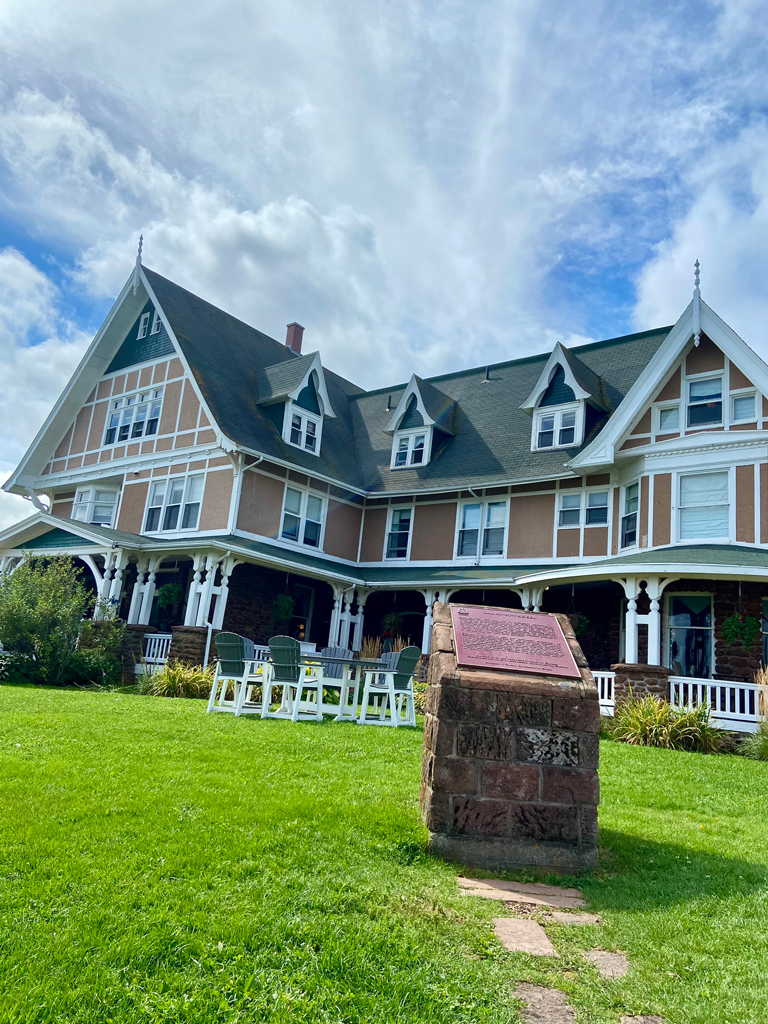
The 1864 Charlottetown Conference pulls people in and shapes Prince Edward Island tourism: plaques, fixed-up buildings, and reenactments draw crowds downtown. Walk the historic loop and you meet exhibits tied to Canada’s past and island markers like Confederation Bridge views and waterfront Charlottetown history signs. I was pleasantly surprised how small and close the old district feels; small scale hits harder than big statues sometimes. The conference mark is seen in tours, local museums, and parks where families picnic after visiting spots tied to Anne of Green Gables images.
Tourism in Prince Edward Island: Joining Canada (1873)
When PEI joined Canada in 1873 the island path of money and politics changed, and those changes show up in modern Prince Edward Island tourism. Visitor centers explain debts, railway fights, and talks that led to confederation, often at places like Confederation Trail starts or harbour museums. For me this slice of history is easy to get—made tidy in small exhibits—but the details stay. I find the storytelling clear yet sometimes trimmed; more local voices could appear at Charlottetown history stops and in food tales with PEI oysters and markets.
Prince Edward Island tourism: 20th century to today
The 1900s saw PEI move toward visitors: steamships gave way to road trips, the Confederation Bridge changed patterns, and icons like Anne of Green Gables brought a worldwide crowd. Today Prince Edward Island tourism mixes park work—think Prince Edward Island National Park—with small festivals, inns, and food loops that praise PEI oysters and lobster suppers. I noticed seasons rule: summer folks swarm Cavendish Beach and Brackley Beach, off-season is for quiet lighthouses and drives. There are limits too; roads and services strain in high time and rural stories can change in quality.
Cultural identity and Prince Edward Island tourism today
Identity now is a patchwork: Mi’kmaq, Acadian, Scottish, Irish, and settler traces mix with new arts, farm-to-table cooks, and festivals that fuel Prince Edward Island tourism. Walking Charlottetown I hear Celtic songs, see craft stalls, and find plaques—each contrast tied to local tastes like PEI oysters and tea rooms near Victoria-by-the-Sea. One plain thought: pride shows but some stories get louder than others; finding balance between charm and truth is a job. Still, the island welcome—seen on Confederation Trail maps and at Anne of Green Gables sites—keeps pulling people in.
Practical travel logistics for Prince Edward Island tourism
Getting here and moving around is part of it: many come over the Confederation Bridge, some take the ferry at Wood Islands (seasonal) or fly into Charlottetown airport, which keeps trips easy and fits Prince Edward Island tourism plans. On the island, a car or a bike on the Confederation Trail opens shores like Cavendish Beach and Brackley Beach, while buses and tours link to Anne of Green Gables spots. I say plan for summer crowds and book stays near Charlottetown history parts or park gates early. Or stay slow in a B&B and eat PEI oysters at a shack — that felt better to me.
Seasonal tips, local etiquette, and culinary notes for Prince Edward Island tourism
Seasons change what you can do: summer for beaches and fairs, shoulder months for quiet drives, winter for calm stays. Respect local ways—ask before you take photos on private farms, tip at lobster suppers, and follow rules at sensitive Mi’kmaq spots—these habits make Prince Edward Island tourism nicer. Food matters: try PEI oysters, go to a classic lobster supper, and visit farmers markets that feed restaurants on Charlottetown history food trails. I find talking with makers—oyster folks, bakers, and coopers—adds a lot; seems small but it turns a trip into something real.
Sustainable pathways and future prospects for Prince Edward Island tourism
Looking forward, green steps—park care at Prince Edward Island National Park, saving the red sand cliffs, and community-led tourism—will shape the island stay and its strength. Bike travel on the Confederation Trail and shellfish care tied to PEI oysters are picking up steam. Small policy moves can change how people see the place—more ferries, caps, or money for stories could deepen Prince Edward Island tourism. I think the chance is good but cautious; growth needs care to keep the island feel, especially near Anne of Green Gables and Cavendish Beach.
Final reflections: weaving history into Prince Edward Island tourism itineraries
In short, I see Prince Edward Island tourism as a woven story: Indigenous care, Acadian push, colonial fights, confederation politics, and new cultural life. When I plan a trip I mix short heritage walks in Charlottetown history parts with time on Cavendish Beach, a seafood meal of PEI oysters, and a ride on the Confederation Trail. I tell myself to slow down, listen to local guides, and let small things—a sunset at a lighthouse, a farmer saying hi, a taste at a shack—shape the day. Strange as it sounds, small moments often show the real spirit of Prince Edward Island tourism.