
I see West Point Lighthouse with Prince Edward Island tourism on the southwest coast, a kind of landmark
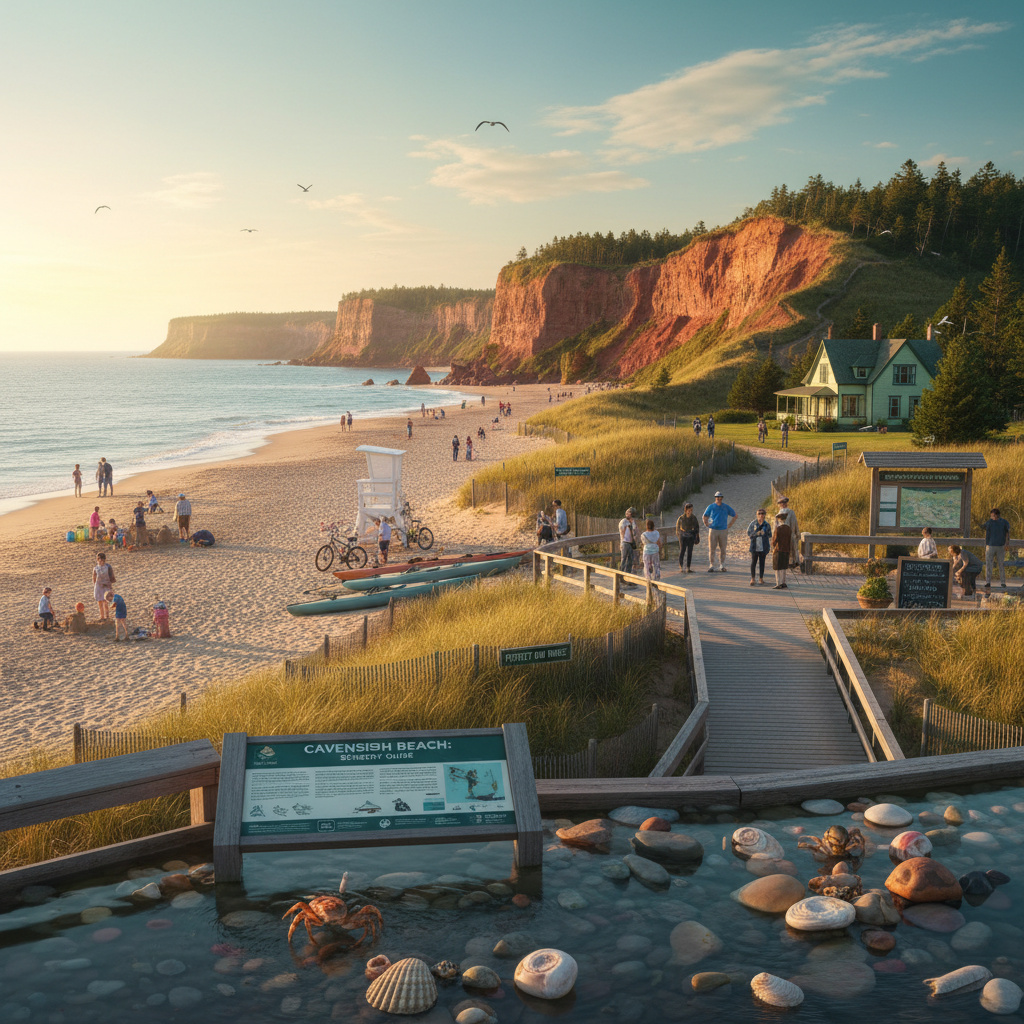
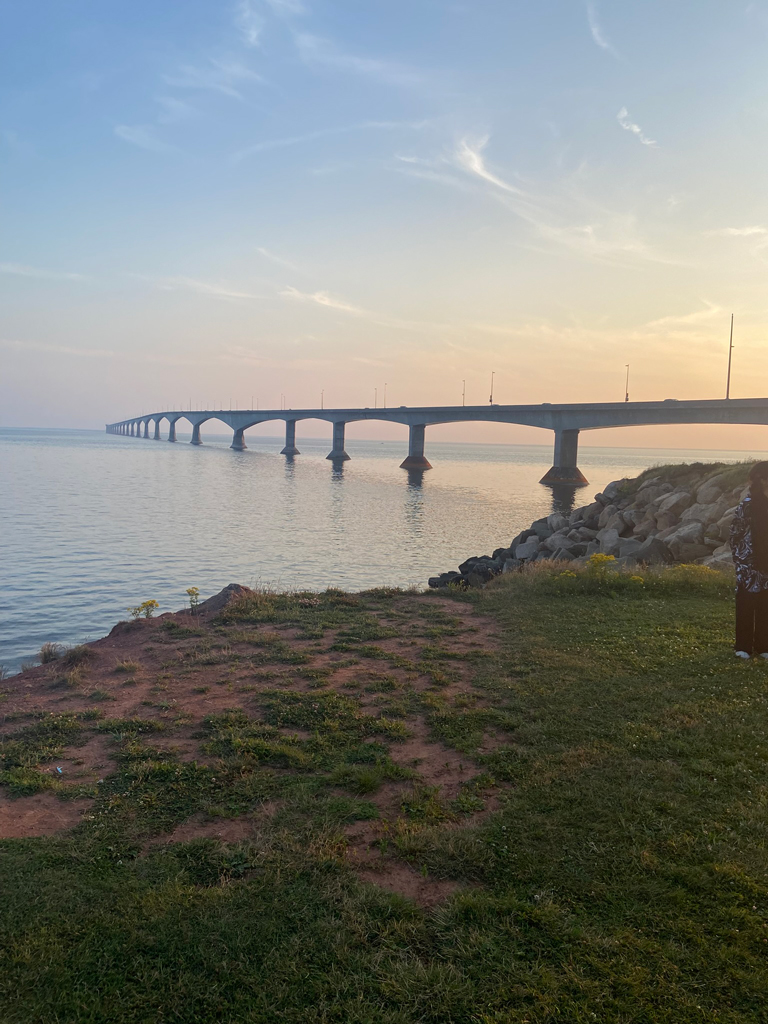
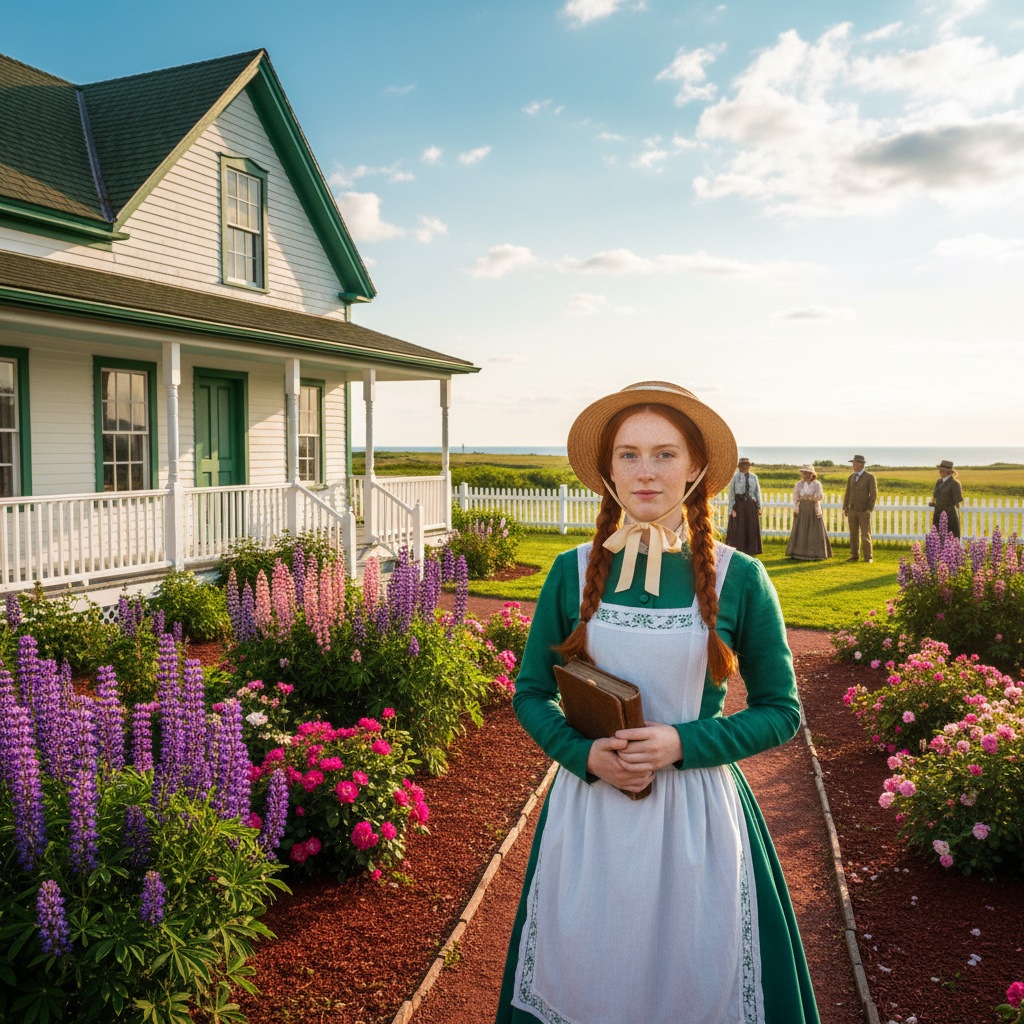
I stand at the tip of Prince Edward Island’s southwest shore, the West Point Lighthouse looks like a simple promise — salt air, red cliffs, long summer evenings. People who come for Anne of Green Gables pilgrimages, I see them stretch their trip to find the quieter light; some drivers leaving the Confederation Bridge take a detour to touch the coast. The lighthouse sits next to wide parts of Cavendish beach and small fishing harbours where they serve fresh PEI oysters. I think West Point shows the island’s mixed charm: farm land, the sea, and small close places — or you meet them in order walking the headland.
I note West Point Lighthouse: cultural impact on Prince Edward Island tourism
I hear the place echo beyond buoys; it fills up festivals and story nights tied to Anne of Green Gables and to coastal crafts. Markets near the light sell crafts and they sell PEI oysters beside goods. I visited small museums that link the tower to the big threads of Charlottetown history and to life at sea, so the tower feels like a place people use. Residents do not set these spots as dead relics, they treat them as places for memory, and that shows off why Prince Edward Island tourism keeps a friendly, tough sort of feel. I like that, it makes travel slow and deep instead of check-list ticking.
I explore the tourism role of West Point Lighthouse within Prince Edward Island tourism
I find the lighthouse acts both as a waypoint and a goal for people who want real island feel: slow walks, bird watching, light late in day for photos. It links to long loops with views from the Confederation Bridge, the trails at the PEI National Park, and family spots by Cavendish beach. Sometimes I wonder if visitors see how tied these places are — tiny tower that makes bigger draws like Anne of Green Gables routes spread out the crowds. I think it helps the island story feel richer.
I tell the historical background of West Point Lighthouse and its place in Prince Edward Island tourism
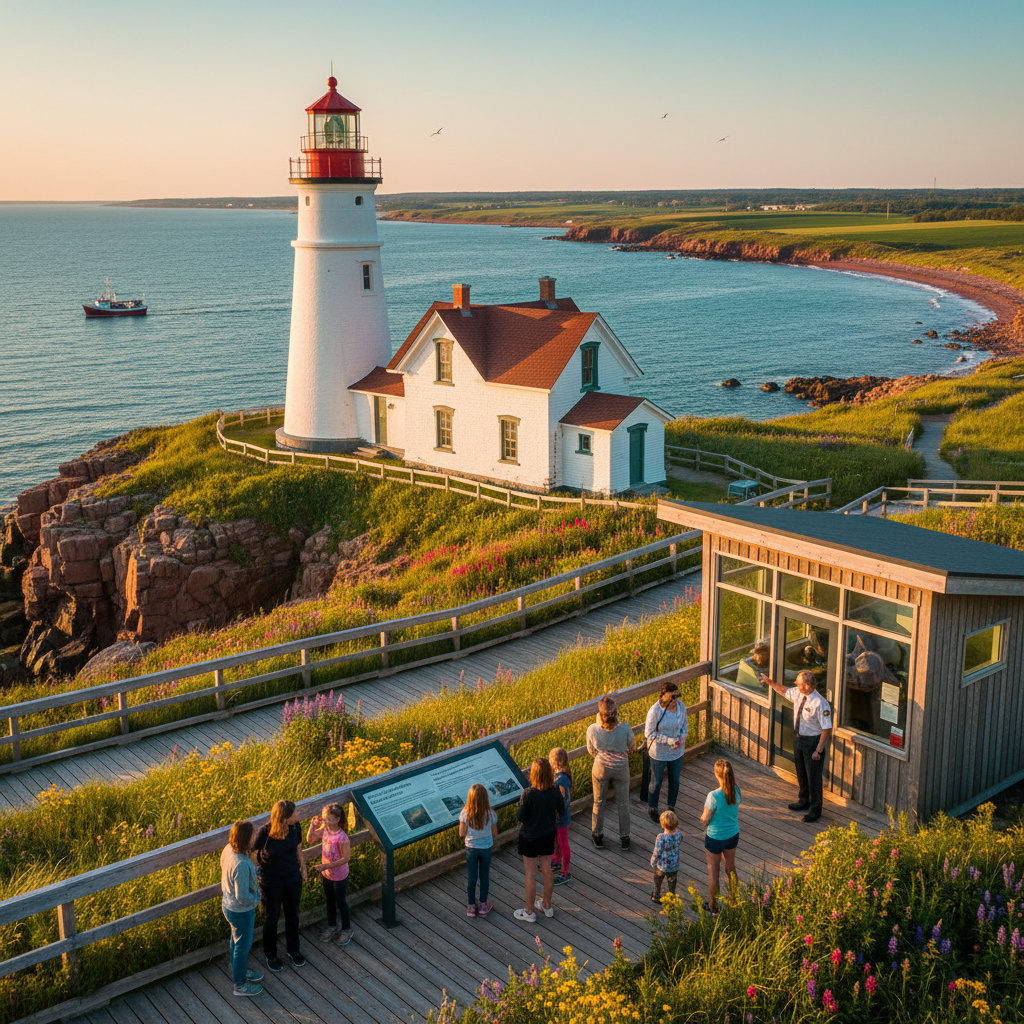
I know this coast is all about the sea: fishing, wooden schooners, and small steady lights that saved ships from shoals. Prince Edward Island joined Confederation in 1873, a fact shown in Charlottetown history displays, and lighthouses like West Point turned into signs of the island's working life. They tied to lobster boats and oyster beds that still matter today. The museum panels and tales about lobster suppers and the seasons for PEI oysters make the past feel near. I see that kind of story work is key for Prince Edward Island tourism.
I note architectural features of West Point Lighthouse that shape Prince Edward Island tourism perceptions
I think the tower looks plain and honest: simple materials, a clear lantern, wear that shows years of work, not show. Its size and paint match a style you see across Maritime Canada, pairing well with tours of Charlottetown history buildings and seaside places near the Confederation Bridge. Visitors often line the silhouette up with other beacons for photo routes that include Cavendish beach and harbours where PEI oysters come on the plate. I find this plain look is less flashy but more real, and that sells inside Prince Edward Island tourism.
I explain how West Point Lighthouse helps maritime safety and Prince Edward Island tourism education
I know lighthouses were for safety: their beams show safe ways, warn of shoals, and hold local knowledge. Now signs at the site tell old navigation and modern care for the land, linking the tower to things like lobster fishing and shellfish beds that feed PEI oysters. Programs that talk about Charlottetown history and island shipping help people see why the coast is shaped the way it is. I think that way of teaching matters because it makes visits feel useful and pushes people to help local trades like lobster suppers and community fisheries.
I watch cultural events and community life around West Point Lighthouse in the context of Prince Edward Island tourism
I see the lighthouse on local calendars for festivals, markets, and heritage days where makers sell next to displays about Anne of Green Gables and sea crafts. People come for oyster tastings by piers and sometimes accordion music on the wharf. This small event style feeds tourist hunger for real local life and helps spread visitors away from busy spots like Cavendish beach and old parts of Charlottetown history. I notice the work is joint — shops and volunteers pitch in, messy sometimes, but full heart.
I describe visitor experiences at West Point Lighthouse and how they shape Prince Edward Island tourism
I meet people who expect quiet and find friendly talk — fishers say tide stories, kids compare shells, photographers catch the sun. The lighthouse goes well with food stops that show local fare, special plates with PEI oysters and summer meals called lobster suppers. Routes that bring you from the Confederation Bridge, a turn at the PEI National Park, and a slow coast drive to West Point make a full day. I like these loops, they mix wind, salt, and taste with calm place — key to Prince Edward Island tourism.
I give practical travel logistics to visit West Point Lighthouse within Prince Edward Island tourism
I find access is by car mostly, and trips often start at the Confederation Bridge or in Charlottetown history hubs then head west or southwest on small scenic roads. People mix a lighthouse stop with a day at Cavendish beach or an evening at food festivals that celebrate PEI oysters. Summer is busy, shoulder seasons are quieter and windier. I tell planners to keep time for surprise stops because little towns and seafood shacks with communal lobster suppers often become the trip highlight.
I note conservation, stewardship, and the future role of West Point Lighthouse in Prince Edward Island tourism
I hear stewardship talks that mix habitat care, fishery plans, and keeping old places. Groups watch shorelines and work with visitor centres to share news about erosion, bird nesting, and shellfish health — all tied to the name of PEI oysters and stories in Charlottetown history exhibits. Tour plans that push low-impact visits near lighthouses can help save dunes by Cavendish beach and keep the view from the Confederation Bridge. I like that model because it treats tourism like shared use not a short sale.
I plan a longer itinerary: combining West Point Lighthouse with broader Prince Edward Island tourism highlights
I would weave West Point into a week: morning light at the lighthouse, afternoon in the PEI National Park, a day in Charlottetown history areas, and an evening tasting PEI oysters or a communal lobster suppers night. Add the Literary Trail to the Anne of Green Gables site and you get a mix of culture, coast, and food. I like slow, curious pacing that stays local and leaves room for small lighthouse pleasures.
I offer final reflections on West Point Lighthouse as a pointer for Prince Edward Island tourism
I think West Point Lighthouse works less as a big show and more like a link in the island’s tourism cloth. It ties Anne of Green Gables, the span of the Confederation Bridge, the sand at Cavendish beach, and the taste of PEI oysters together. Visiting feels like dropping a small stone into clear water; the ripples meet shops, heritage groups, and conservation. I left thinking lighthouses like West Point are quiet anchors for Prince Edward Island tourism — they steady you, make you listen, and let you taste the salt.