
Prince Edward Island tourism: Seafood dishes that mean a lot to me
At first I feel the island like a slow salty book, you can almost taste pages. The red dirt and small harbors pull me toward big plates of shellfish, and that place feeling hits hard. I think food holds memory, like tide pools hold little lives. For getting there note the close spot of the Confederation Bridge, the pull of Anne of Green Gables, the soft sand at Cavendish beach, and the ship-shape vibe in Charlottetown history. I travel slow when I visit, and food makes me curious.
History lives in every tasting menu here, from family lobster spots to market stalls. The fishing and farm ways are more than food, they glue people together after long winters and big meetings like the 1864 Charlottetown Conference. I see long-haul fishers, summer crowds, and folks heading to Prince Edward Island National Park and it feels like a loop. The island is small so exploring is easy — you can cross it in a day and still eat lobster. Most seafood sellers run June to October, and Charlottetown Airport plus the ferry services make getting here simple.
How Prince Edward Island tourism frames seafood experiences
The island sells itself as coast, culture, and food, simple as that. Festivals and market days where fishers hand you a taste are everywhere. I notice names matter: people speak of Malpeque Bay like it’s family, they brag about PEI oysters, and small towns like North Rustico get shout-outs for lobster dinners. Tying food to place makes visits richer, you go home with a story not just a belly full.
When I plan I watch tides and book ahead, summer fills fast around Charlottetown Festival and long weekends at Brackley Beach
Lobster is the island’s big star and they celebrate cracking shells and melted butter. Lobster suppers are simple, shared, and they go with home jams and plain salads — the meat tastes sweet and firm. Best lobsters often come right off docks near North Rustico, the piers at Rustico, and small harbours by Prince Edward Island National Park. For many people my lobster meal at a hall or beach shack is the trip’s high point. There’s fine print: seasons and size rules change what’s around, so don’t be shocked. In summer boats land lobsters every day; fall brings tighter rules and the lobsters change taste as they get ready for winter. Chefs keep old ways but try new stuff too — lobster rolls, broiled halves, and even lobster poutines show up near Confederation Bridge and downtown Charlottetown. I like how classic meets new. Tasting lobster in different spots tells other stories; a road shack feels instant, a fancy bistro in Charlottetown turns it into a meal to remember. Do fancy plates make it less real? Maybe they just add words to the island’s food language. Either way, Prince Edward Island tourism keeps lobster center stage and hosts people warmly.
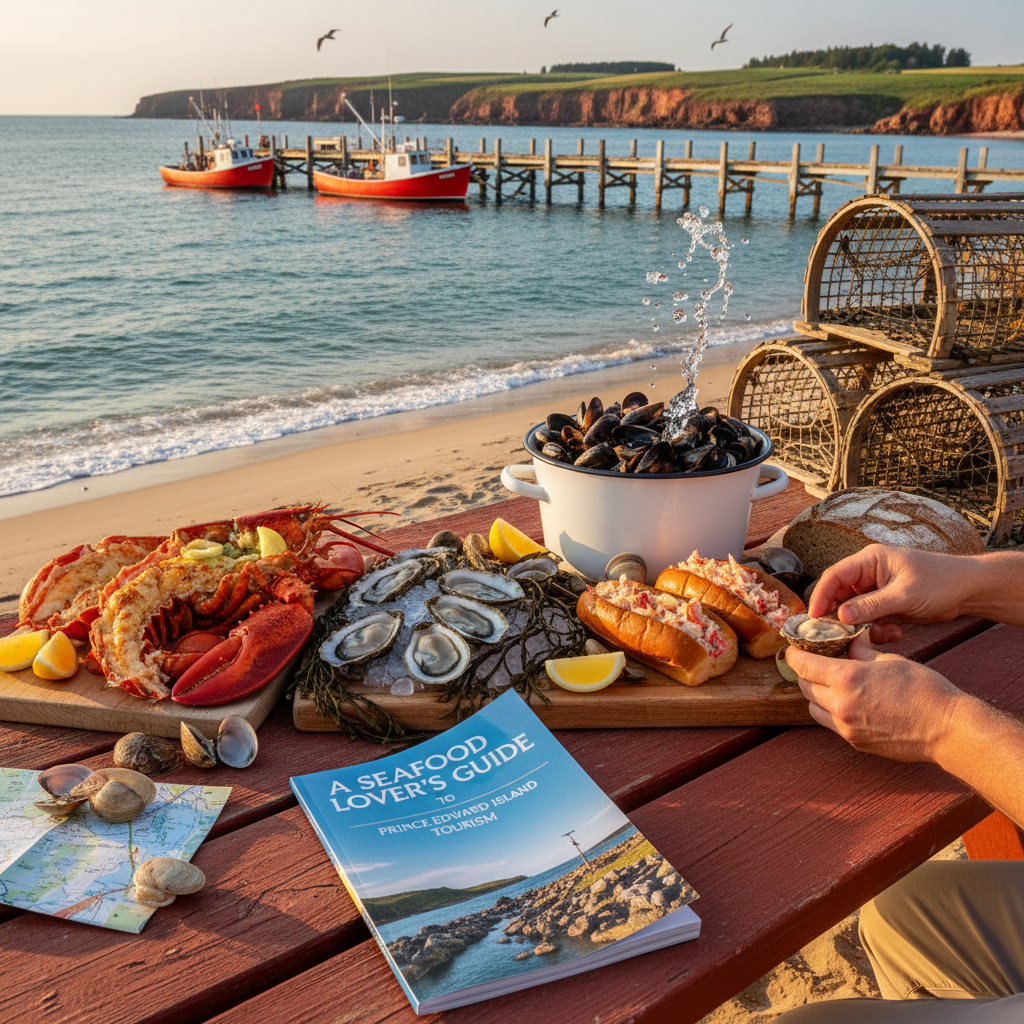
Malpeque oysters are famous because they finish clean and briny with a sweet, mineral hint, like the bay in a shell. Oyster tastings teach you about beds in Malpeque Bay, seed suppliers, and careful handling that keeps taste. Lots of restaurants add local bits — rhubarb mignonette or a scrap of island seaweed — and the bite stays with you. Guided tastings connect the mouth to the place, or at least they did for me. Timing again matters for oysters. Spring sets and cool fall waters change flavors; guides point out small differences. PEI oysters win by being steady, that’s why Malpeque appears on faraway menus. I always try to see a shucking demo near Malpeque Bay and poke around Victoria-by-the-Sea for its little wharves and shops. Not every oyster spot is open all year, and taste is picky — one person’s briny is another’s clean. I wonder if visitors see how big the shellfish business is; tours show much of it is carefully run, growers around Malpeque Bay and sellers shipping across Canada. That mix of craft, science, and habit makes the food scene interesting to me. PEI blue mussels appear on many menus and for good reason, they are tender, a touch sweet, and easy to cook — steam with wine or put in a rich broth. I watch mussel farms and small processing spots where rope-grown mussels get pulled and sorted. Names like PEI mussels, the working wharves at North Rustico, and the markets of Charlottetown come up a lot. I like that you can see the chain from sea to plate. Mussel farming uses less impact than some aquaculture, and that green idea is part of the island story. Many sellers talk traceability from rope to plate and markets near Confederation Bridge and downtown Charlottetown sell fresh mussels daily. A plain pot of mussels on a bench by the wharf can beat a fancy dish, I tell first-timers that. Clams and scallops finish the shellfish list. Bay clams are firm and sweet and work great in chowders and steamers; scallops sear quick to golden bits. Routes for Prince Edward Island tourism include family clam shacks, seafood markets, and coast cafes that love these species. You’ll see plates near North Rustico, stalls in Charlottetown, and small harbours around Malpeque Bay. Scallops with herbs and a squeeze of lemon hit me right. Culture matters: clamming for many families is work passed down with seasons and small ceremonies. It ties to island history — Gaelic and Acadian ways and old trade routes from the confederation days show up in festivals and tales. When I eat here servers tell where the catch landed or which bay did best that day. That kind of backstory makes each bite deeper. Tips before you go: bring a jacket for wind, book popular seafood nights early, and mix cheap shacks with nicer meals to taste the range. Watch summer crowds at Confederation Bridge crossings and use slow months to visit museums and the old sites in Charlottetown, like where they met in 1864 at the Charlottetown Conference. The island small size lets you hop to an oyster bed, a mussel farm, and a lobster shack in one long day — or better, over a lazy weekend. I think Prince Edward Island tourism may be small, but it serves a deep, sensory seafood story worth keeping.Prince Edward Island tourism and lobster: PEI’s signature seafood
Prince Edward Island tourism and Malpeque oysters: Tasting world-class bivalves
Prince Edward Island tourism and mussels: PEI blue mussels from farm to fork
Prince Edward Island tourism’s clams & scallops: Coastal flavors and traditions