
Red Soil & Red Cliffs of Prince Edward Island: They matter to Prince Edward Island tourism
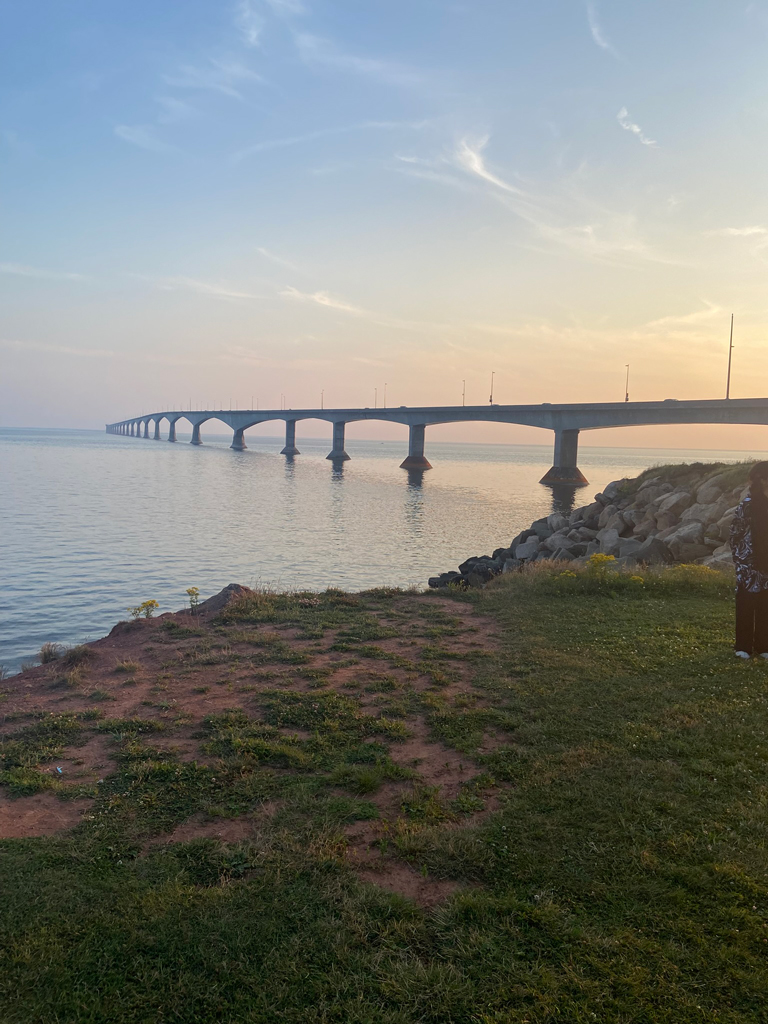
I first saw the red meet the sea and it hit me like a story. Photos at the Confederation Bridge show the same color, and postcards of Anne of Green Gables use it hard. Guidebooks send folks hunting for the right strip of Cavendish beach. I picture people coming in with big dreams and leaving with salt on their coats and mud on their boots after walks in PEI National Park. That touch of dirt and wind makes the island feel true. One thing I noticed: the red is not just pretty — it lives in farms, books, and little town habits and it shapes how people see Prince Edward Island tourism.
Cultural Impact: How Prince Edward Island tourism Shapes Local Culture
The red cliffs and soil became part of the island stories. Lucy Maud Montgomery and the land get said together by visitors and by people who live here; they point at Anne of Green Gables, at Lucy Maud Montgomery, and at the famous red cliffs. Story tours around Green Gables and nearby farms let festivals and small shows happen. That brings money, so shops and small museums keep going, but sometimes the towns smooth things out for tourists. I like seeing how the stories help keep craft shops open while, yes, they can make life look simpler than it is.
Tourism: Practical Travel Tips for Prince Edward Island tourism Visitors
Getting around to see cliffs is easy most times. Many people drive over the Confederation Bridge, some ride the Wood Islands ferry, others land at Charlottetown airport. A car and the Confederation Trail make jumping from view to view simple, but slow down—many good sights hide from maps. Coastal inns and farm stays say they are close to PEI National Park. Crowds thin early morning and late day; I tell some friends to try a dawn walk for the best light and less people, even if it feels like too much for some.
Why the soil is red: Geology Explained for Prince Edward Island tourism Enthusiasts
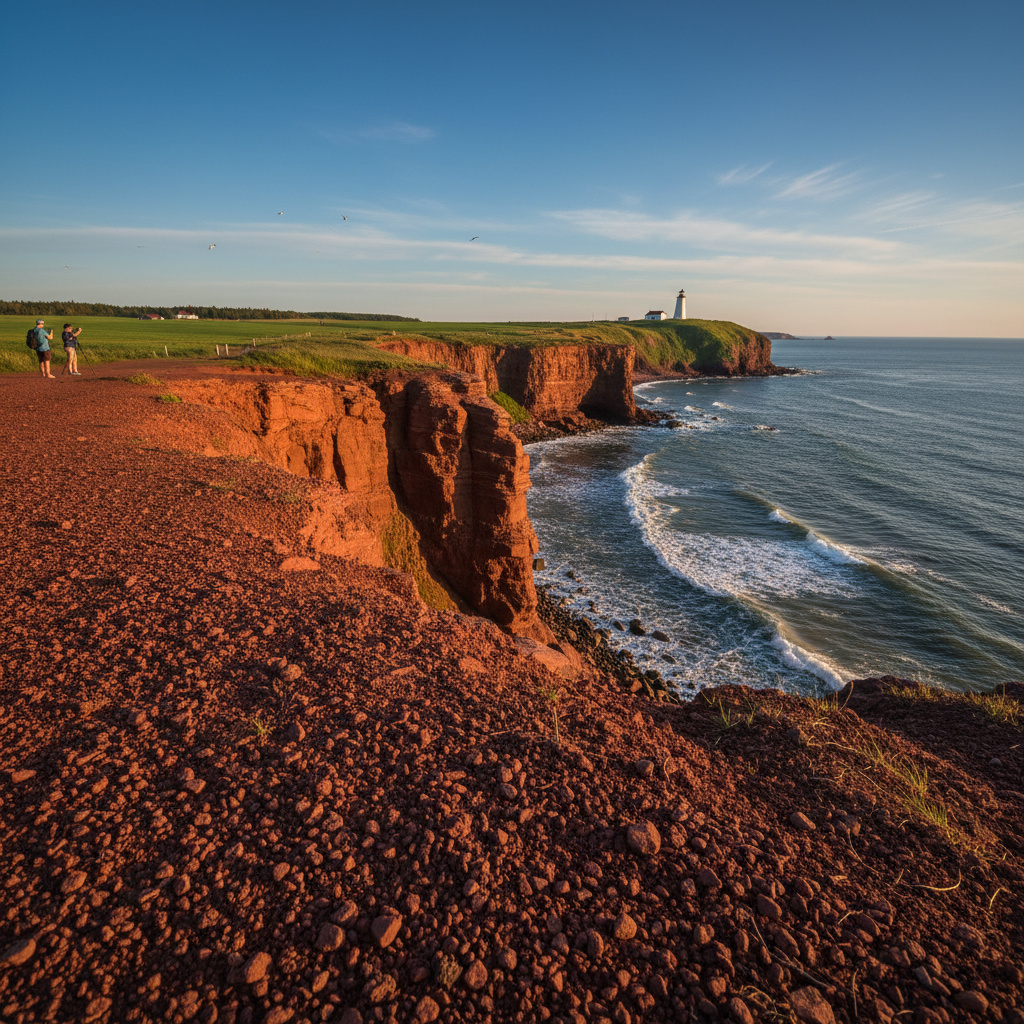
The red comes mostly from iron that stained sand and silt long ago. Glaciers left mixed layers and the iron turned red over many years. You can see the color in cuts by the road, in fields, and at the foot of the red cliffs. The same red shows up in pottery sold near Charlottetown history displays. If you like hands-on facts, small centers near Green Gables have geology displays. I think this iron soil helps farming here, but it can wear away where waves and rain pull at it.
Formation of the red cliffs: Things Every Prince Edward Island tourism Guide Should Say
The cliffs are soft, not hard rock like granite. They are made of iron-stained sand and silt that break down fast from waves and freeze-thaw work. Storms and ice chop at the base and then pieces fall off — the shore keeps changing each year. Walks on Cavendish beach and points in PEI National Park show this in plain sight, and signs often point out layers and old scars near Brackley Beach. That is why some headlands fade faster and why guides warn you about cliffs. I wondered if more signs would help visitors stay safe without killing the view.
Best places to see red cliffs: Top Spots for Prince Edward Island tourism Photographers
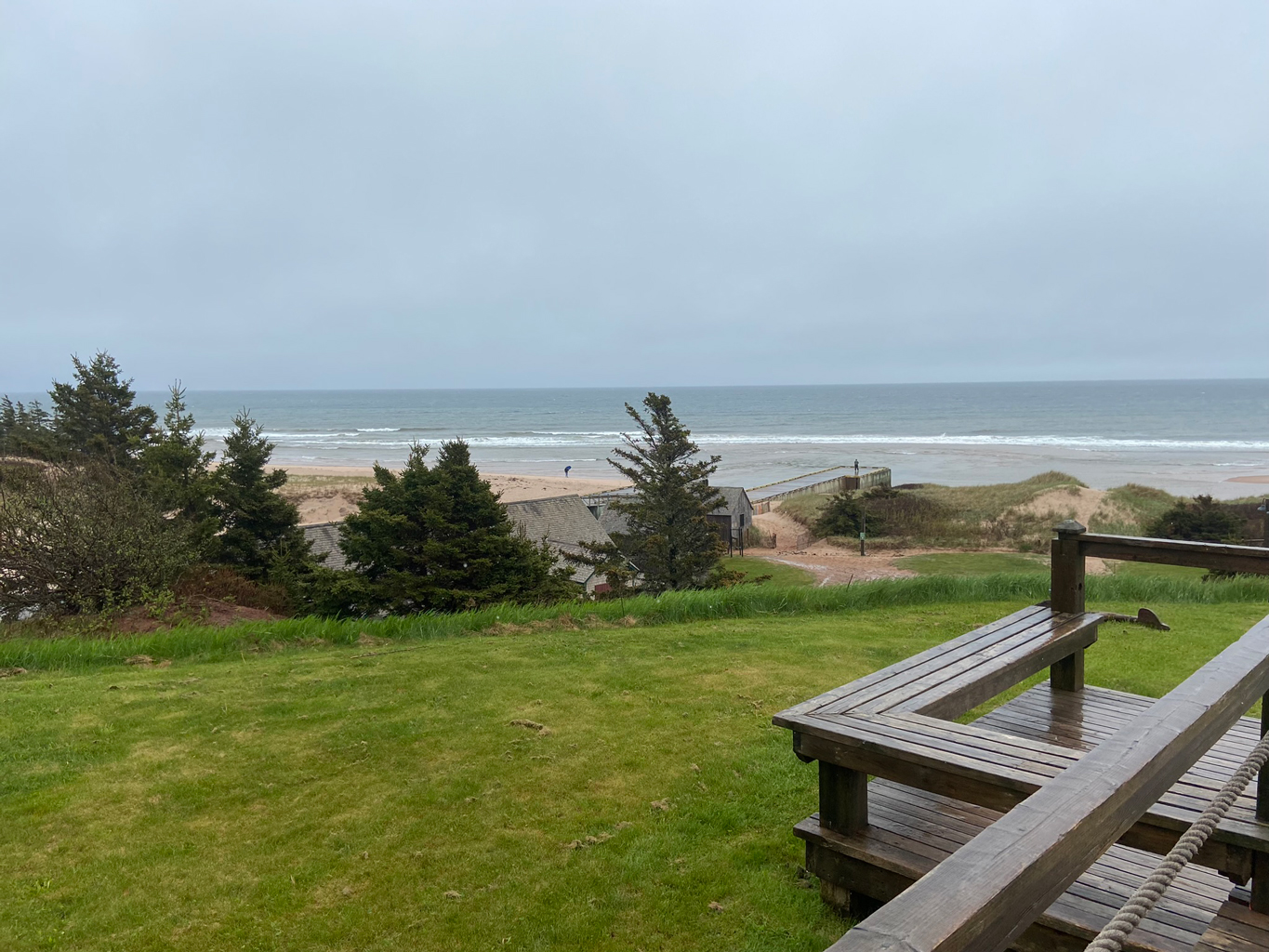
For big red against Atlantic light go north inside PEI National Park. Greenwich and the Cavendish stretch by the Anne of Green Gables places are full of color. You can stand at lookouts at Brackley Beach or slip into quiet coves between Stanhope and Dalvay-by-the-Sea. Try small road pullouts for less seen angles; the nicest shots sometimes come from extra steps. I like the mix of famous spots like Cavendish beach and secret coves — both give different things like peace or services.
Importance of red soil to farming: How Prince Edward Island tourism Links to Farms
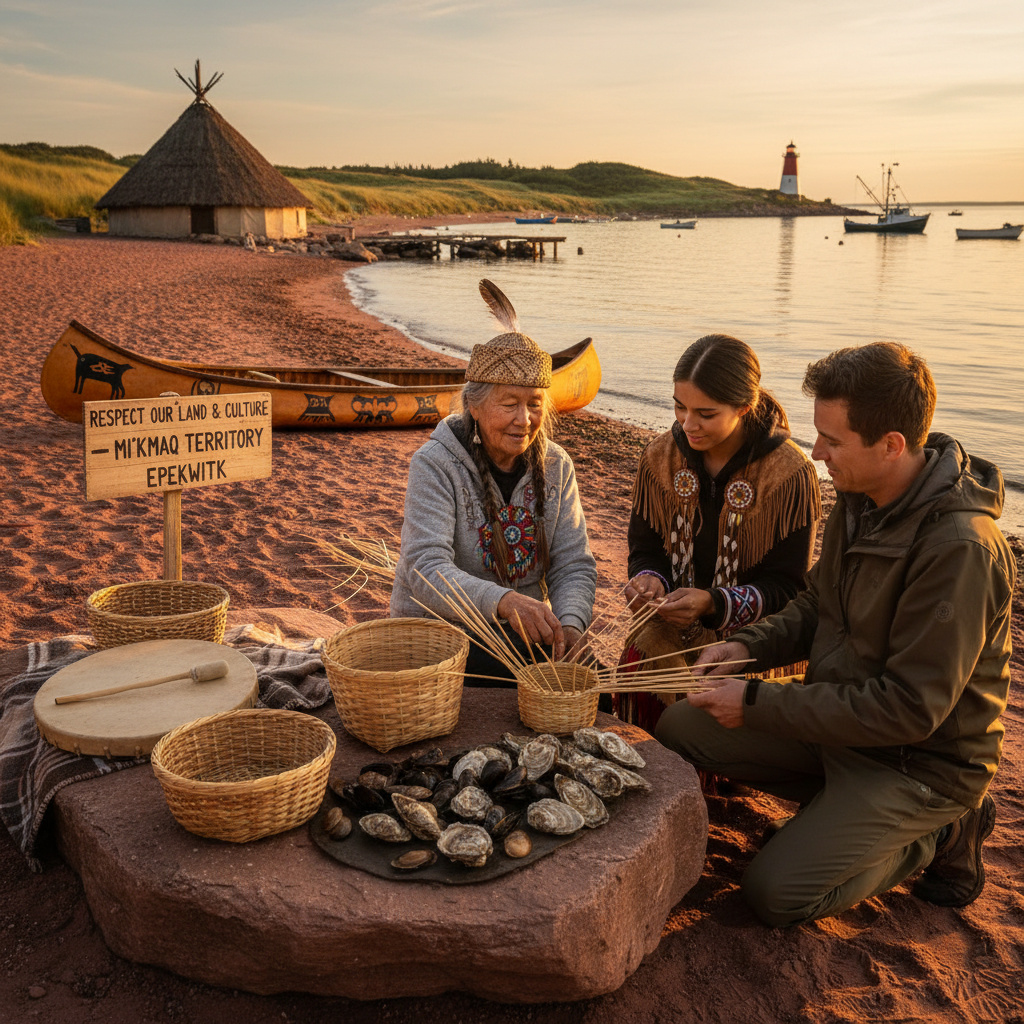
The iron-rich top layer makes the island great for potatoes. PEI potatoes feel famous, almost a brand. Farmers markets in Charlottetown and towns across the isle show local food with PEI oysters and other sea food. Tours on farms talk about crop change and soil care, and that helps visitors trust farmers. A tractor ride plus tasting can seem a bit silly but it also makes the red soil feel close and real to me.
Cultural identity: Red Soil, Red Cliffs, and Prince Edward Island tourism Stories
The red shows up in art, song, and tales. Painters do fields, storytellers use cliffs like stages, and festivals mark harvest and tides. On walks in town people mention the Charlottetown Conference of 1864 near Charlottetown history sites while shops sell Anne of Green Gables cards. It feels warm and sharp: tourism pays for museums and shows, but it can push small places to act out a perfect life. I see it as mixed — tourism keeps buildings and jobs, yet it sometimes makes things simpler than they were.
Practical safety and conservation tips for Prince Edward Island tourism Explorers
Keep off unstable cliff edges and stick to marked paths in PEI National Park. Do not take big stones or fossils from the shore. Local groups and rangers give talks near Greenwich and other spots; you will see signs about wear at the red cliffs. Eat local — try PEI oysters or a potato tasting at a small inn to help farmers who care for the land. Low-impact ways like biking the Confederation Trail or joining guided walks keep the places you love safer.
Seasonality and timing for the best Prince Edward Island tourism visit
Summer brings the most people to Cavendish beach and Green Gables. Late spring gives bird life in marshes and fall turns fields ochre under clear skies. Winter can be rough and storms strip cliffs so some lookouts close in off months. For fewer people and soft light try early June or September; services like the Wood Islands ferry still run and cafes stay open. I say book places early for busy weeks — its a plain tip but it helps a lot.
How cultural tourism around the red landscapes helps towns in Prince Edward Island tourism
Small museums, craft shops, and tours tied to red cliffs and soil move visitor money into rural parts. That spending keeps B&Bs, galleries, and seasonal staff in work around Charlottetown and near Green Gables. Heritage spots that mention the Charlottetown Conference or writers add civic pride and locals often volunteer at events. This local drive warms me — tourism does not only take here; it sometimes helps save old houses and tales.
Suggested itineraries that show red soil and cliffs for Prince Edward Island tourism visitors
Start in Charlottetown and spend a morning at Province House, then drive north to Greenwich and Cavendish beach for wide views and a sunset by the red cliffs. Day two could be a farm tour with potato tastes and a stop at local farmers markets plus a seafood meal with PEI oysters. Slow travelers might bike parts of the Confederation Trail and join a geology walk — that changes how the trip feels in good ways. I like a mix of history, rocks, and food for a trip that shows the place well.
Final reflections: Why the red landscapes matter to Prince Edward Island tourism and visitors
The red soil and cliffs are not just pictures; they are ways people read the island’s past, farms, and self. They link a person at the Confederation Bridge view to a fisher shucking PEI oysters, to a reader under a willow by Anne of Green Gables, to a farmer digging up potatoes. This tie makes Prince Edward Island tourism feel touchable and honest — the land, work, and culture fit together but crowding can press things thin. In the end I think a careful curious visit helps both guest and host; treat the red ground like a loved book and it will give you back stories.