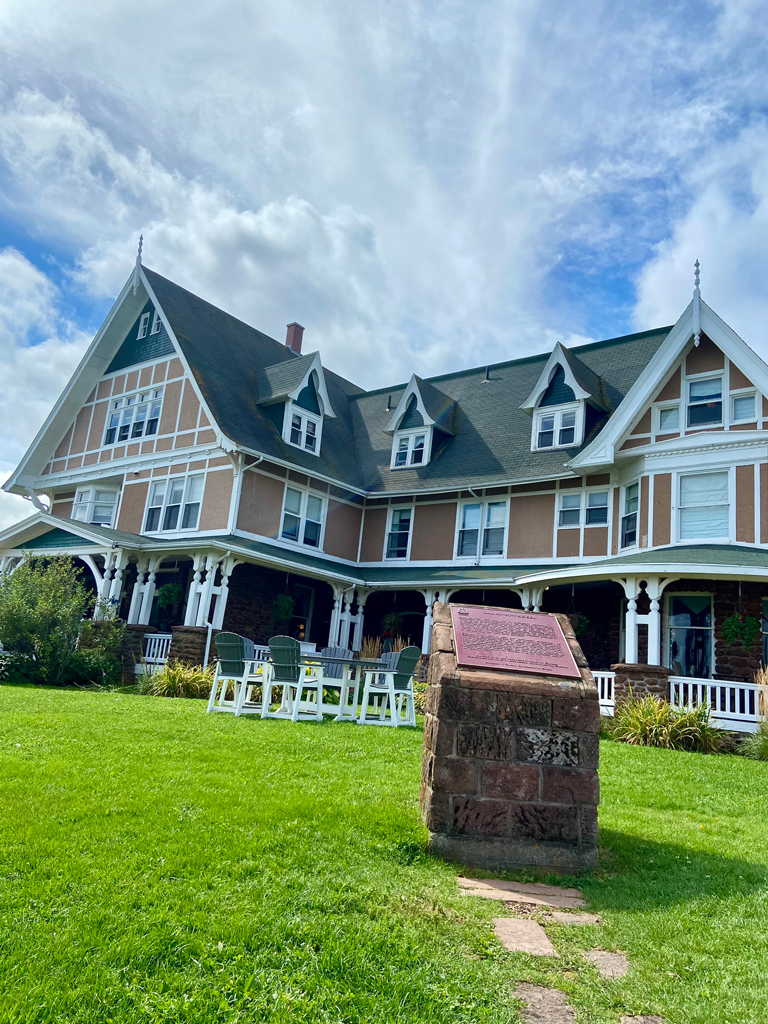

How Green Gables and Anne Shirley shape Prince Edward Island tourism
I saw the red roof and felt small and big at same time, that mix sticks with me about Green Gables, Anne of Green Gables, and Anne Shirley as places that keep drawing people to Prince Edward Island tourism. The house sits close to Cavendish inside the sweep of the Prince Edward Island National Park, and I felt like it plays host to folks who want story and views. Walk the paths and the book's land gets real — wind-soft fields, a near shore, and a braided feel of words and earth that made me pause. It is part shrine and part chill stop; I like that cause different people come, families or readers wanting quiet island life.
How Anne Shirley helped make island identity for Prince Edward Island tourism
Lucy Maud Montgomery's books did more than sell lots of books; I think they helped shape a local look that feeds Prince Edward Island tourism, mostly around Green Gables, Anne of Green Gables, and Anne Shirley. Summer fairs, walks with guides, and museum displays use Anne's story to tie Charlottetown history to farms and the coast. Sometimes that pretty picture smooths out other island life, but it also gives bakers, makers, and cooks a friendly tale to meet guests with. I wonder if planners keep things real enough; the wins are clear: steady visitors and name recognition. Yet a problem can be turns towns into sets if care is not used.
Visitor tips for Green Gables and Prince Edward Island tourism
I plan trips by thinking of both time and want: many drive over the Confederation Bridge, stop for city things in Charlottetown, then go up to Cavendish beach and Green Gables — a common loop for Prince Edward Island tourism. Summer fills up fast, parking and tours go quick, so I book early and add a walk in the Prince Edward Island National Park. A tip I use: do a morning at Green Gables then eat local — fresh PEI oysters or a simple lobster supper makes the day feel whole. You will meet crowds at peak times, a trade worth noting.
Keeping Prince Edward Island tourism steady — Green Gables in the mix
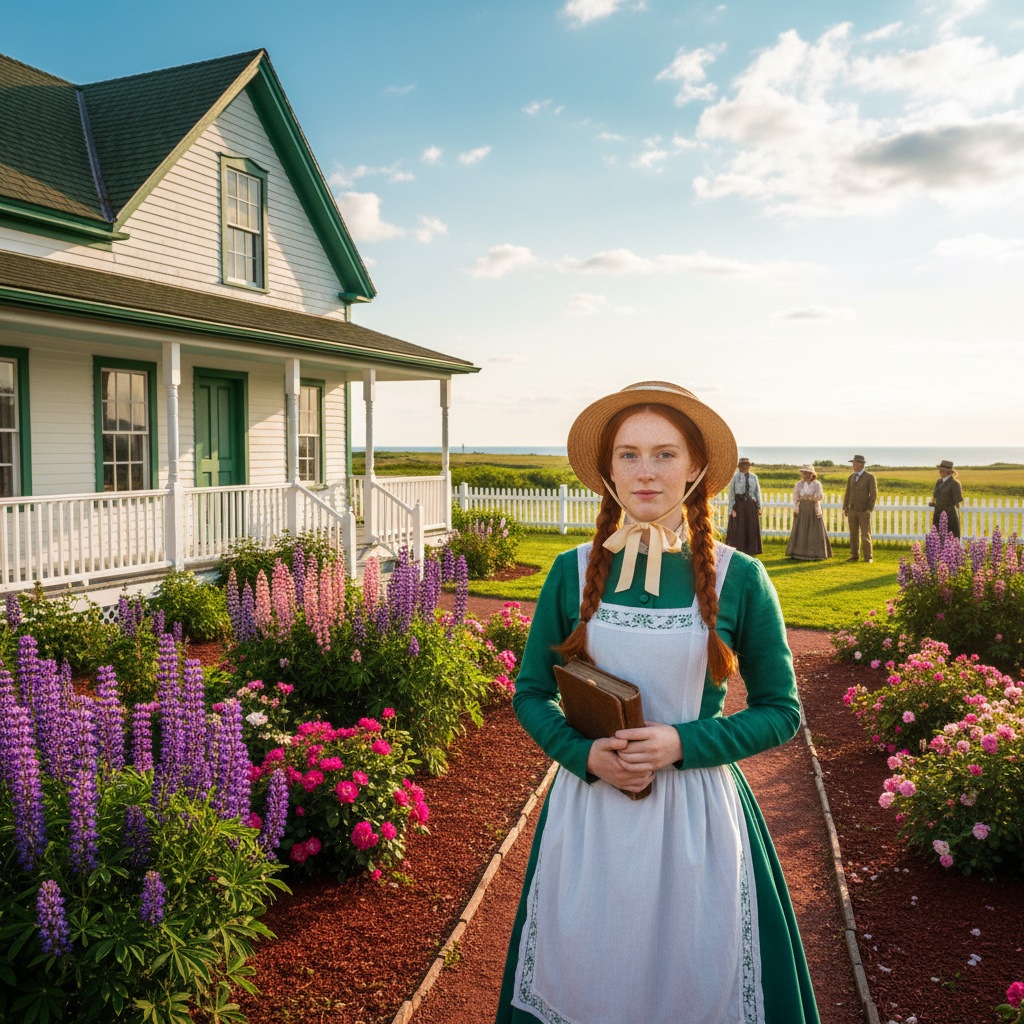
I see that keeping Prince Edward Island tourism alive needs care of land, tales, and local gains, and Green Gables stands as a tight symbol beside places like the Confederation Centre of the Arts, the Prince Edward Island National Park, and food draws like PEI oysters. The local money flow depends on seasons: festivals, farm days, and book events bring cash to Cavendish and towns near by, but they also ask for good planning. It is odd how much work goes into saving dunes by Cavendish beach while letting people walk there. The teamwork between Parks Canada, town planners, and arts groups looks hopeful, even if busy times make things messy.
History layers under Green Gables and Prince Edward Island tourism
I found history stacked here: Mi'kmaq roots, settlers' farms, and big events like the 1864 Charlottetown Conference lie below the later fame of Green Gables, Anne of Green Gables, and Anne Shirley, all feeding modern Prince Edward Island tourism. Charlottetown had political weight from Confederation, and Montgomery's stories later added a cultural draw that people come for. Small museums and big civic tales meet — you can tour a house then walk downtown to learn about the province's place in history. I liked that mix because travel felt both close and public at once.
Why Anne of Green Gables reaches the world and what it means for Prince Edward Island tourism
Book-led travel lasts, and Anne draws people from boats and planes across Asia, Europe, and North America who come for Anne of Green Gables, Anne Shirley, and the charm of Green Gables, all helping wider interest in Prince Edward Island tourism. The novel's bright tone moves easily into tours, tea rooms, and shows. Often tours add food — think raw PEI oysters then a short reading, or a farm visit with scenes from the books — and that helps the trip go beyond the house. I like when story and place meet because it gives visitors more layers to hold onto.
Getting to PEI and moving around for Prince Edward Island tourism
I treat the trip over as part of the fun: many drive the Confederation Bridge, some take seasonal ferries or fly into Charlottetown, then rent cars to reach Cavendish and the Prince Edward Island National Park, stopping for PEI oysters on the way — a common flow for Prince Edward Island tourism. Driving gives freedom to chase sunsets on Cavendish beach or find quiet coves. In busy months roads and lots fill fast, so I try shoulder seasons; late spring or early fall felt less crowded and still sweet. That is why some folks pick off-peak travel despite cooler air.
Local voices shape the feel of Prince Edward Island tourism
I heard that local makers, fishers, and guides give trips their true color, beyond just Green Gables and Anne of Green Gables. Markets in Charlottetown, farm stalls near Cavendish, and night stories add real texture to most Prince Edward Island tourism plans. Unlike one-size tours, community-led things show daily life — low-tide clam digs, small kitchen gardens, or a fiddler in a pub. I keep those moments in mind because they turn watching into plain human exchange; not every guest finds them without a local nudge though.
Preserve, keep real, and plan for the future of Prince Edward Island tourism
I think the big issues for Prince Edward Island tourism are saving fragile land and keeping culture real while still earning money; you see this at Green Gables, the Prince Edward Island National Park, and busy spots like Cavendish beach. Work like fixing dunes, signs to teach visitors, and limits at fragile spots is becoming common talk, and people try to lift up Indigenous and local stories beside the book fame. My small hope is planning will spread benefits to locals, not only add visitor days. That would show tourism can help both nature and memory.
Simple route ideas and tips for Prince Edward Island tourism
I suggest a short loop: start in Charlottetown at museums and the Confederation Centre of the Arts, cross the Confederation Bridge if coming from the mainland, then spend time at Green Gables, the Prince Edward Island National Park, and seaside meals of PEI oysters and lobster suppers—this pattern fits many Prince Edward Island tourism trips. Mix indoor and outdoor to stay flexible: museum hours for rain, beaches for sun, and a farm stop to round the day. I tell folks to book main parts first, and leave time for surprise finds; that way trips feel richer.
Last thoughts on Green Gables, Anne Shirley, and Prince Edward Island tourism
To finish, the pull of Anne of Green Gables, the realness of Green Gables, and the wide views of Cavendish beach and the Prince Edward Island National Park make this small province a clear case of how story and place work together for Prince Edward Island tourism. The books bring nostalgia, but the living island gives fresh joys — food, music, and travel that cares for nature — that go past the page. I left thinking PEI is a book to read and a place to live in; that balance, rough sometimes, is why people come back.