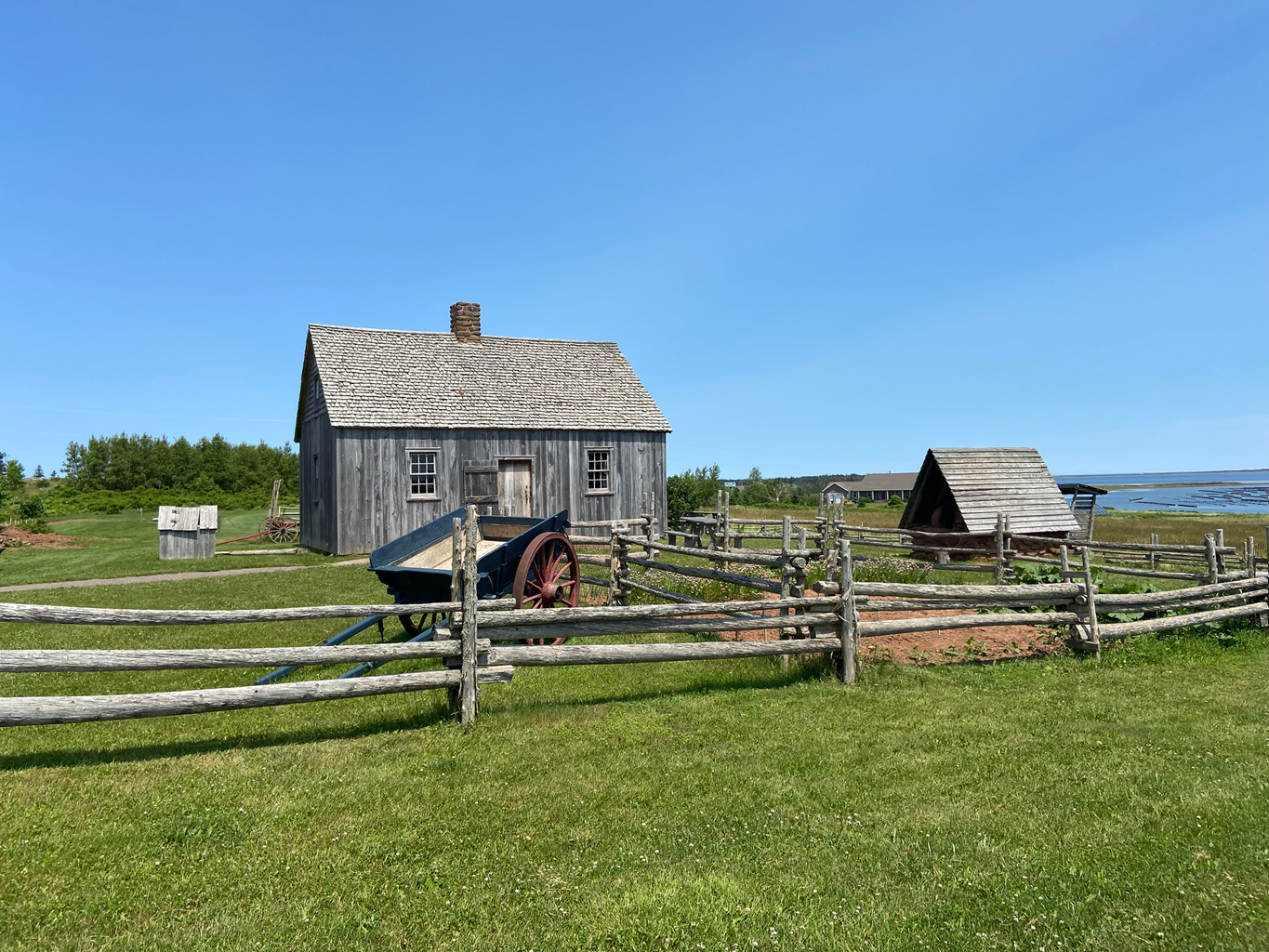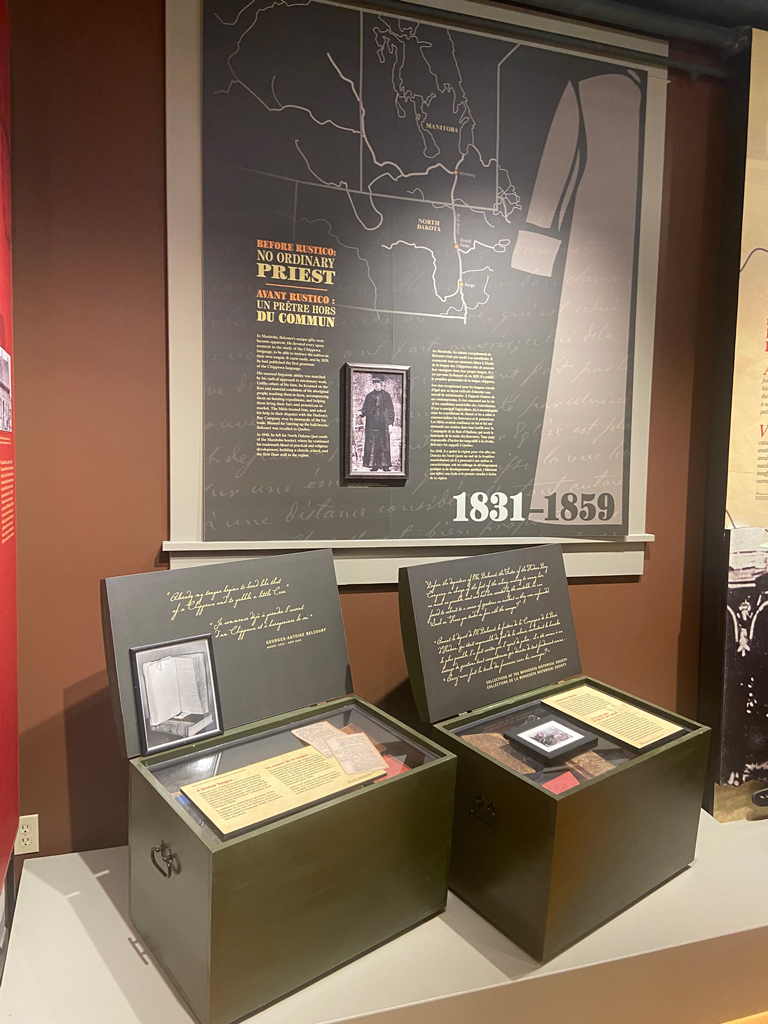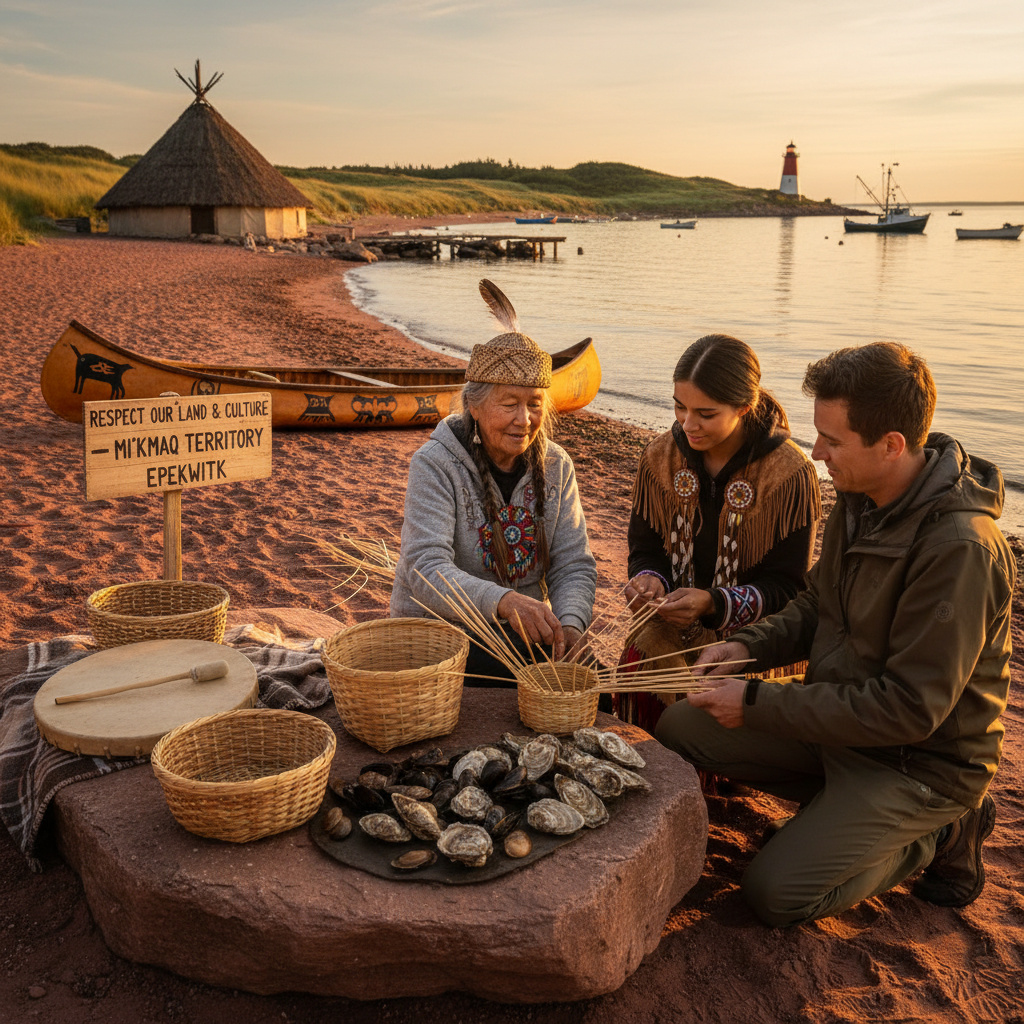

Doucet House and my PEI trip: small place, big feel — I felt it
At a quick look I saw Doucet House like a small page beside the big tales of Confederation Bridge, Anne of Green Gables, Cavendish beach, and Charlottetown history; it sort of points at them but it keeps its own hush. In the frame of Prince Edward Island tourism I liked how the house shows that real homes add grain to the usual postcard stops. People often mix a visit here with a lobster supper in North Rustico, a quick lighthouse photo, and a taste of PEI oysters, so the house holds small home stories. I like that it asks me to slow down and look, though the house is small and easy to miss when you rush.
Prince Edward Island tourism — Cultural Impact of Doucet House on local identity
By keeping old things, Doucet House pulls chats about Charlottetown history, Green Gables, Victoria-by-the-Sea, and Basin Head into closer, softer ground. Its cultural pull spreads: family pics, talk from elders, and small displays say to me that Prince Edward Island tourism is more than big sites, it’s about how homes shaped island life. This close feel can be good because it seems true, and bad because not everyone reads those small clues. I kept thinking signs or a short story by a guide would help; many folks like a quick human story about who lived here, I bet.
From another view, Doucet House lets Acadian and sea-life stories sit next to places like Anne of Green Gables, Cavendish beach, PEI oysters, and Confederation Bridge. It becomes a quiet answer to glossy tourist pitches — a note that island ways happen in kitchens, on porches, at little get-togethers. I felt hopeful here: guides often use the house to show daily life in ways big museums cannot, but the record can be thin so people rely on village memory.
Prince Edward Island tourism — Doucet House as a tourism stop and visitor experience
Practical things matter: most people get to PEI over the Confederation Bridge, the summer ferry by Wood Islands, or flights into Charlottetown Airport; once here many add Doucet House to a day with Anne of Green Gables or a swim at Cavendish beach. As part of Prince Edward Island tourism the house feels slower and softer next to busy, tour-bus stops. I like tours that give a short talk, they set the scene without crowding the place. If I plan a day I put Doucet House between a morning lighthouse stop and an afternoon seafood meal with PEI oysters and lobster in North Rustico.
Getting there is simple but needs thought; parking is small at tiny heritage spots and buses are rare outside Charlottetown so many rent a car across the Confederation Bridge or time the ferry. I pick tours that mix Doucet House with places like Basin Head or Victoria-by-the-Sea, that way the house’s calm sits with bigger island stories in one day. It feels practical to me and a bit like slipping a favorite quiet song into a loud playlist.
Tourism in Prince Edward Island: Historical background of Doucet House and the island
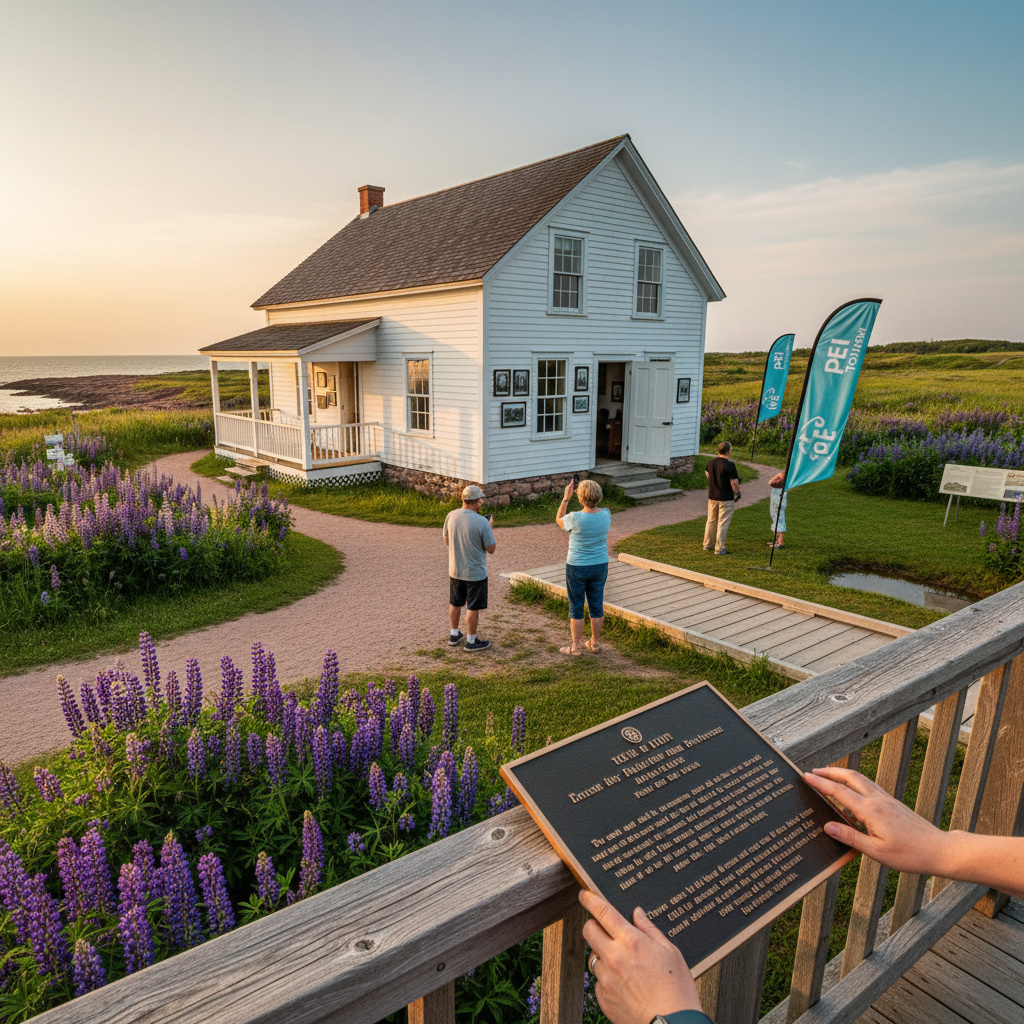
PEI holds many layers — Mi’kmaq care, French (Acadian) homes, British rule, and the 1864 Charlottetown history meeting that helped shape Canada. Doucet House sits in that mix and echoes Acadian home life beside the public stories of Anne of Green Gables, Confederation Bridge, and life at Cavendish beach. For people who like background, this blend shows why Prince Edward Island tourism draws book fans and history fans both. I felt then, and I feel now, that a small house can show big moves like migration, change, and keeping old ways.
In plain terms, the island’s tourism moved from fishing seasons and book trails toward a bigger heritage trade in the 1900s; places like Green Gables and town events grew interest, and fixes like the Confederation Bridge made travel easier. Doucet House fits here not as a main act but as a soft note for travelers who want texture beyond a walk at Basin Head or an oyster bite at the harbor. That history makes me respect the hard choices small museums make: what to show, what words to use, what to leave quiet.
PEI tourism: Architecture & interior of Doucet House examined
The house looks plain and shows sea-house and Acadian touch — small size, likely wood frame, and inside signs of daily life that differ from big public buildings like the Province House or the staged scenes of Anne of Green Gables. Thinking about Prince Edward Island tourism I found these quiet building bits invite slow looking: tiny fireplaces, plank floors, rooms that feel lived in not like a display. I noticed these spots make you lean in and ask, which I like more than just reading a label on a wall.
Indoors, simple furniture and cloths (when there) show people made much from little and followed seasons, they remind me of links to sea and soil; talk of food brings to mind PEI oysters, lobster in North Rustico, and roadside potato stands. For me this plain inside is a plus if you are tired of big shows: you can sit in a chair that might have fixed a net, imagine a stove warming a room. Those small scenes make wide tales like Charlottetown history feel closer to earth.
Prince Edward Island tourism — Modern travel tips & responsible visitation at Doucet House
To visit Doucet House right you mix curiosity with care: check the hours, help local guides, and pair the stop with nearby things like Confederation Bridge, Cavendish beach, Green Gables, and a tasting of PEI oysters. The island is small so plan slow days — one day for coast, one for food, and a quiet afternoon for old homes. I try to come by midday to see grain in the wood and cloth better; that little tip makes the visit nicer. Buying coffee or a gift nearby helps the folks who look after places like Doucet House.
Season matters: PEI tourism is busiest in summer, ferries and the Confederation Bridge lanes fill up, and many heritage spots cut back in shoulder months. I aim for early June or September to dodge crowds; you still get Anne of Green Gables and Basin Head without long lines. This plan seems small but it works — a small date change can turn a rushed tour into a calm chat with a local.
Prince Edward Island tourism — Cultural events, community ties, and what Doucet House means today
All over the island events from summer fairs to small museum talks tie Doucet House into living local stories next to big names like Anne of Green Gables, Confederation Bridge, Cavendish beach, and Charlottetown history. The house joins when volunteers open doors for told stories or when school kids come to learn about home life. I like these links because they show that heritage still moves — people do it, debate it, renew it. Still, keeping volunteers and money is hard, and island plans must deal with that.
If you want to add culture to your trip look for county fairs, ceilidhs, and seafood fests that show crafts and food like PEI oysters and lobster boils in North Rustico. Those things show why Prince Edward Island tourism keeps calling people back: it mixes book stops, nature, and living customs. Doucet House is a small stop on that path — simple, teaching, and often quietly strong.
Prince Edward Island tourism — Final reflections on visiting Doucet House
To finish, Doucet House may not be as big in guidebooks as Anne of Green Gables or the Confederation Bridge, but it brings human scale to PEI plans that also include Cavendish beach, PEI oysters, and pages of Charlottetown history. When I build a thoughtful visit to Prince Edward Island tourism spots I put in a quiet hour here: read a plaque, chat with a volunteer, and let plain things suggest larger tales. I find this slow step often reveals the island’s truest small joys.
At the end, whether you come by car across the Confederation Bridge, by ferry, or through Charlottetown Airport, mixing big sites like Green Gables and Basin Head with small places like Doucet House makes a visit richer. The mix — books with homes, crowd spots with quiet rooms — is part of why Prince Edward Island tourism keeps people coming: there is always a new small thing to notice if I slow and look.